G.W. Hale / Books
You know the story. Meet the people who were there.
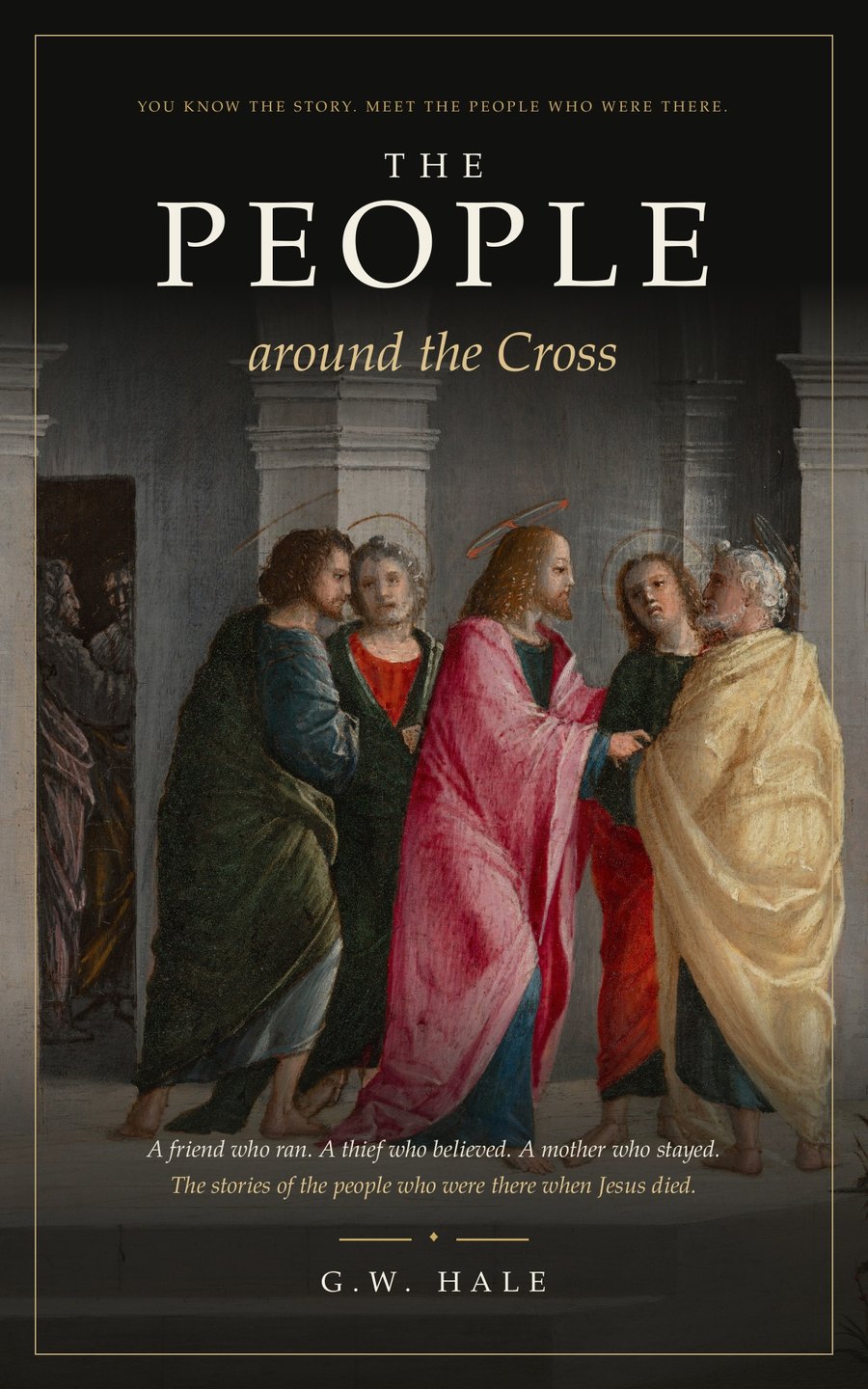
The People Around the Cross
The Stories of Those Who Were There When Jesus Died
A friend who betrayed him with a kiss. A stranger made to carry the cross. A woman at a tomb in the dark, who heard her name. The People Around the Cross walks through the three days from the garden to the empty tomb, beside twelve of the people who were there.
Coming soon to Amazon
About the book
A friend who betrayed him with a kiss. A servant who came to arrest him and went home healed. A disciple who swore he would die for him, and wept by a fire. A governor who knew the truth and washed his hands of it. A guilty man who walked free. A stranger made to carry the cross. A dying thief who asked to be remembered. A mother who stood by. And a woman at a tomb in the dark, who heard her name.
In The People Around the Cross, a minister walks with you through the three days from the garden to the empty tomb, beside twelve of the people who were there. Almost every kind of person you could imagine stood somewhere near that cross: the faithful and the faithless, the powerful and the powerless. You may find yourself among them.
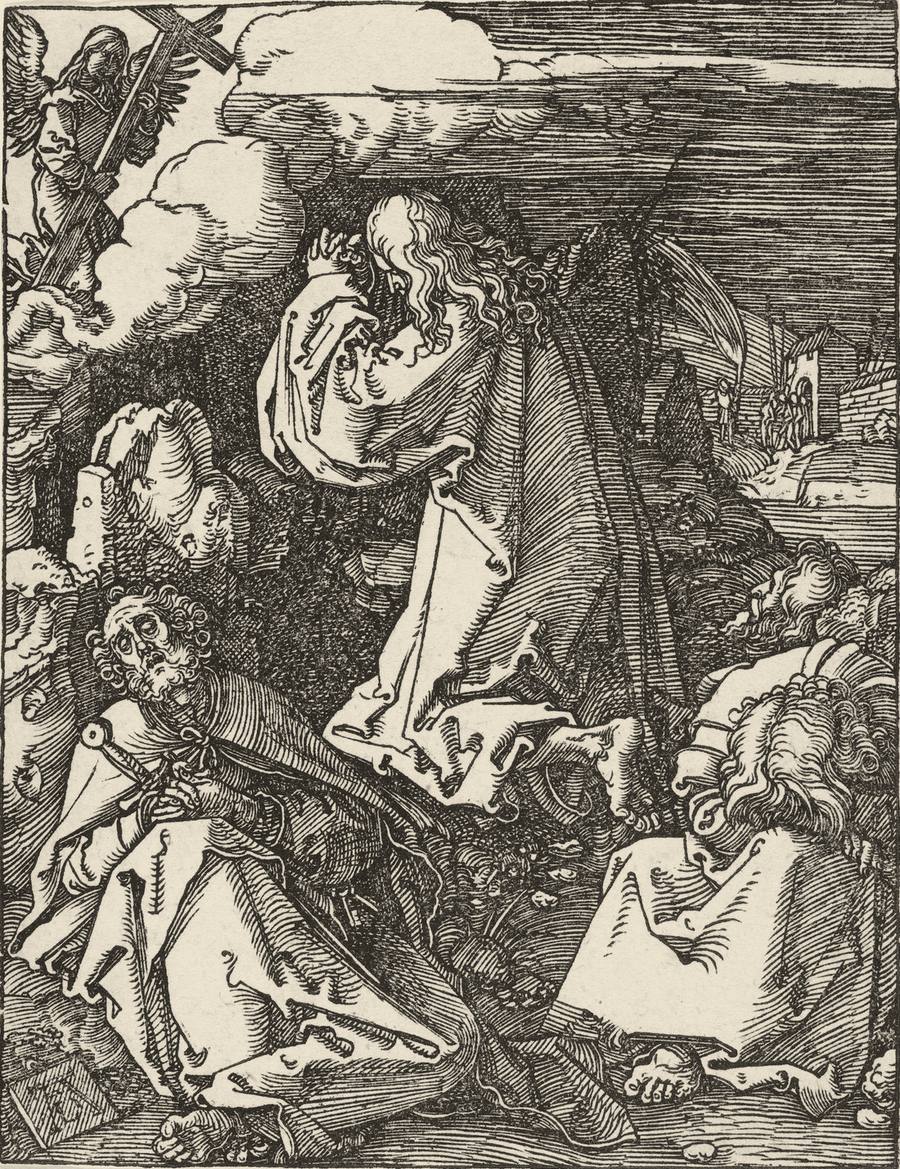
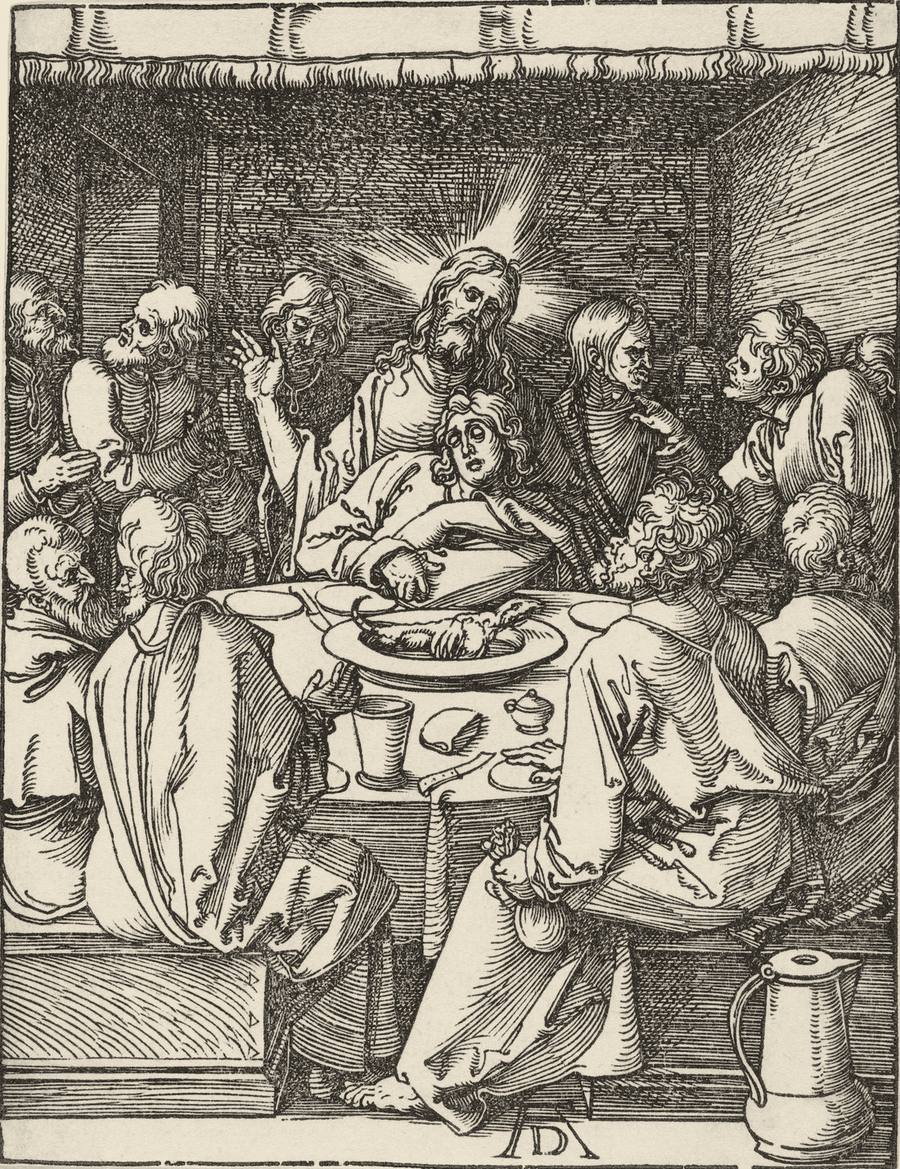
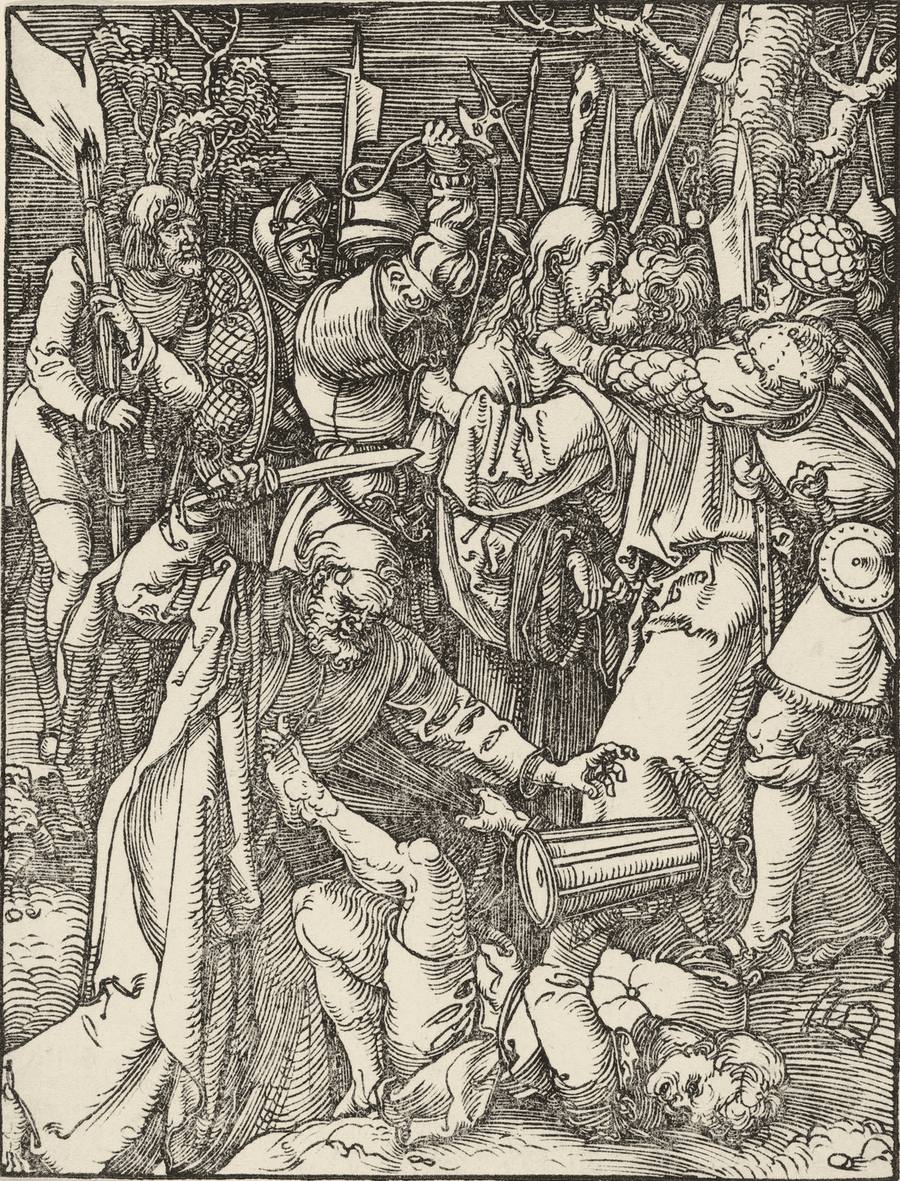
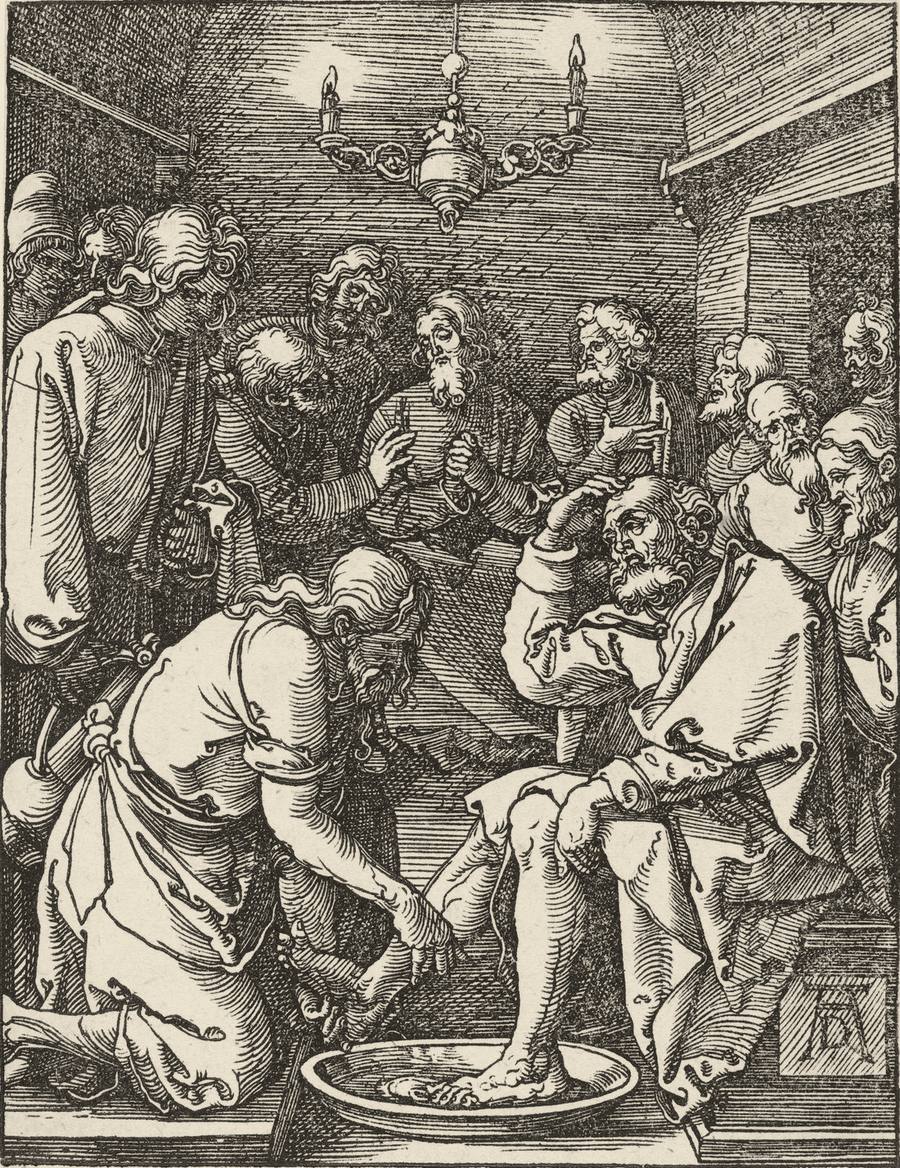
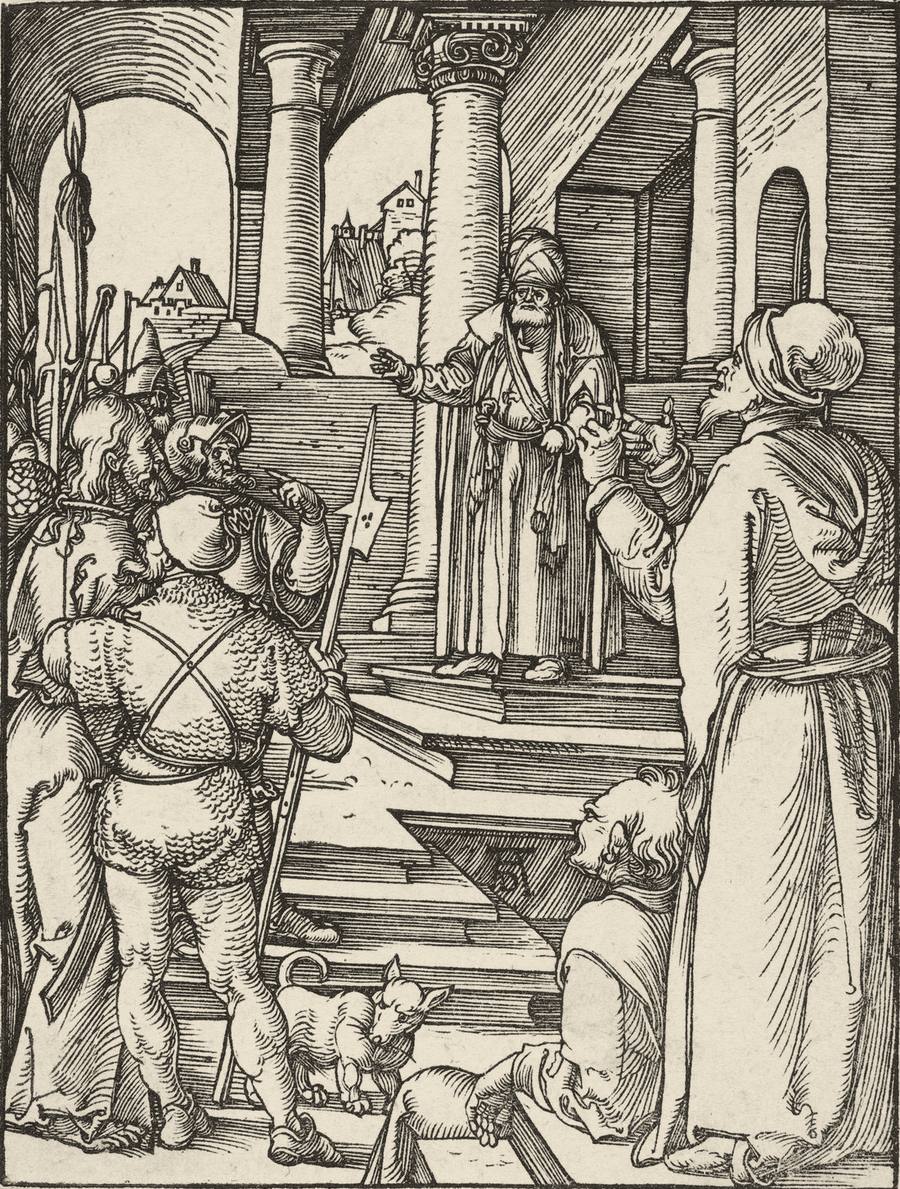
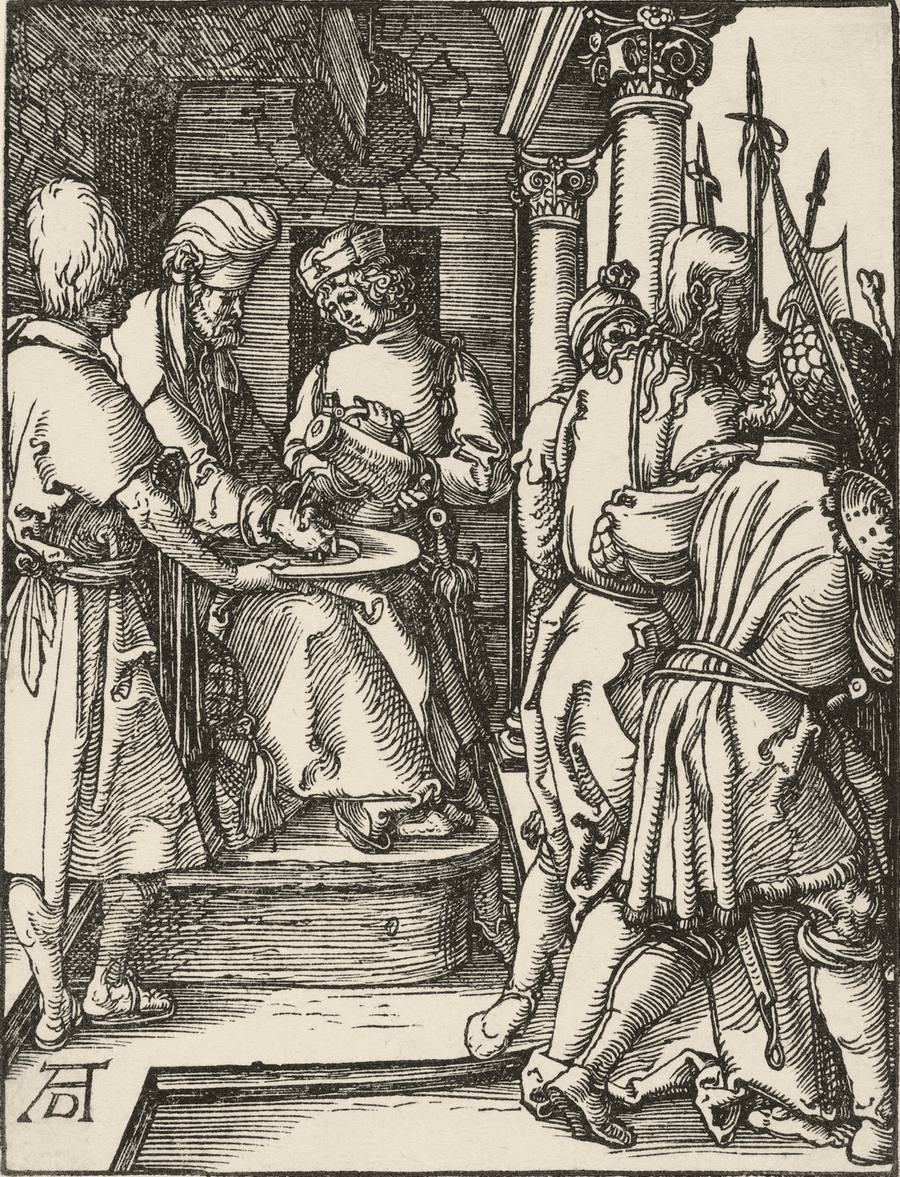
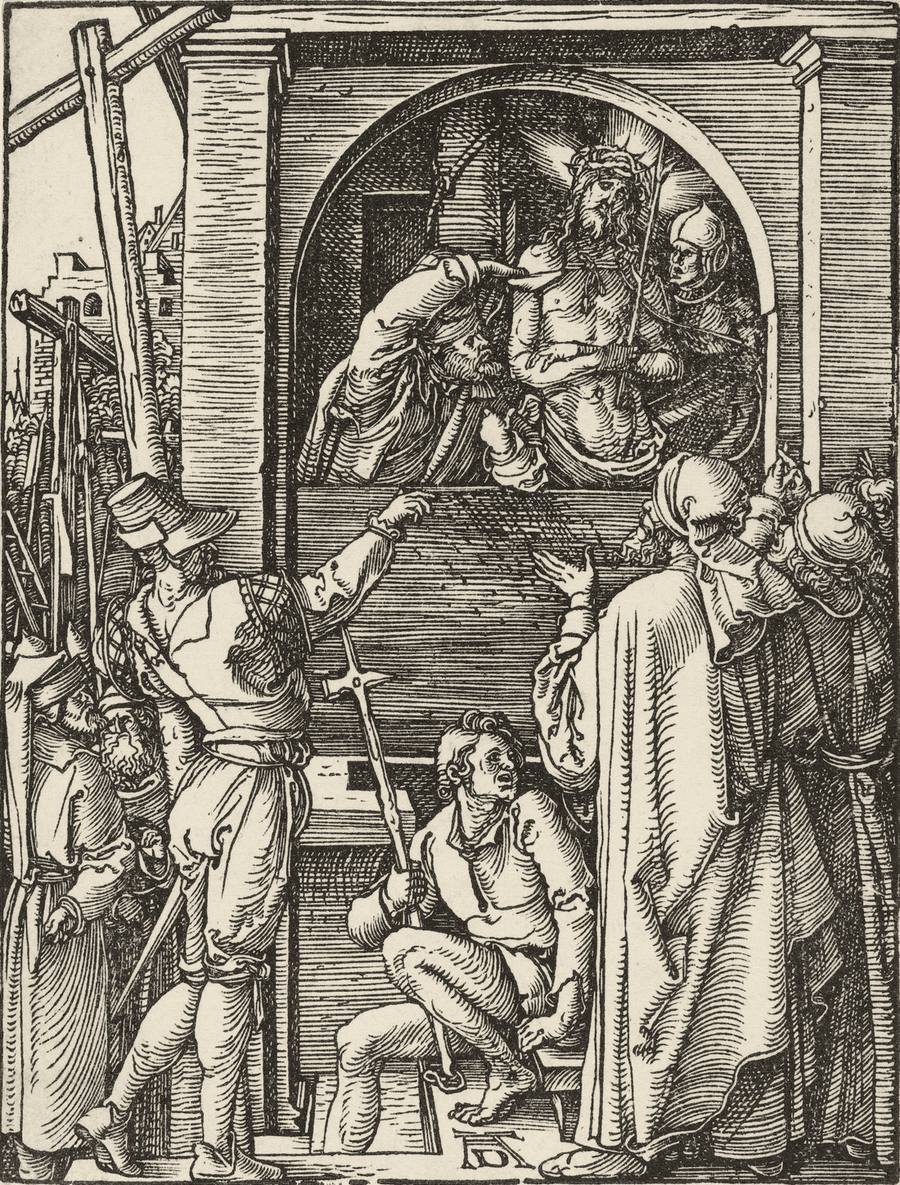
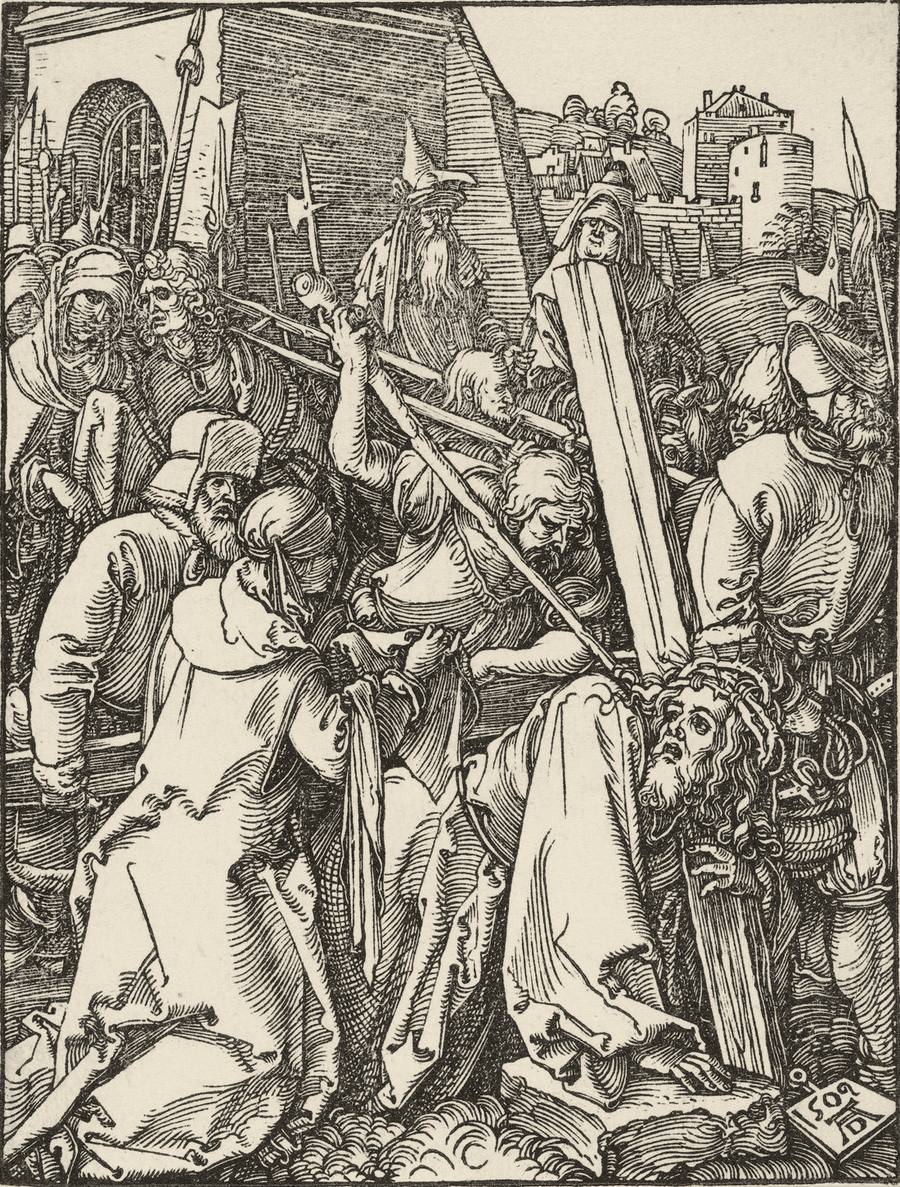
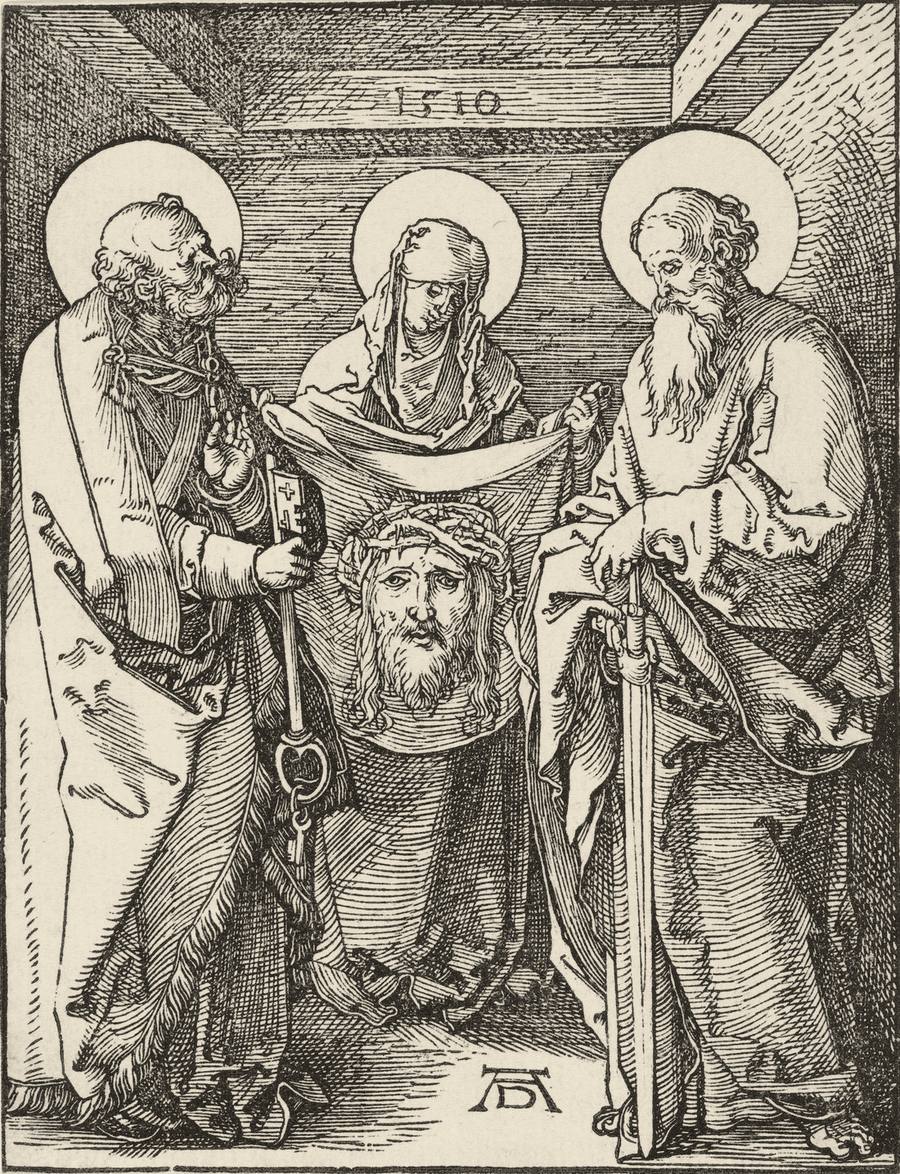
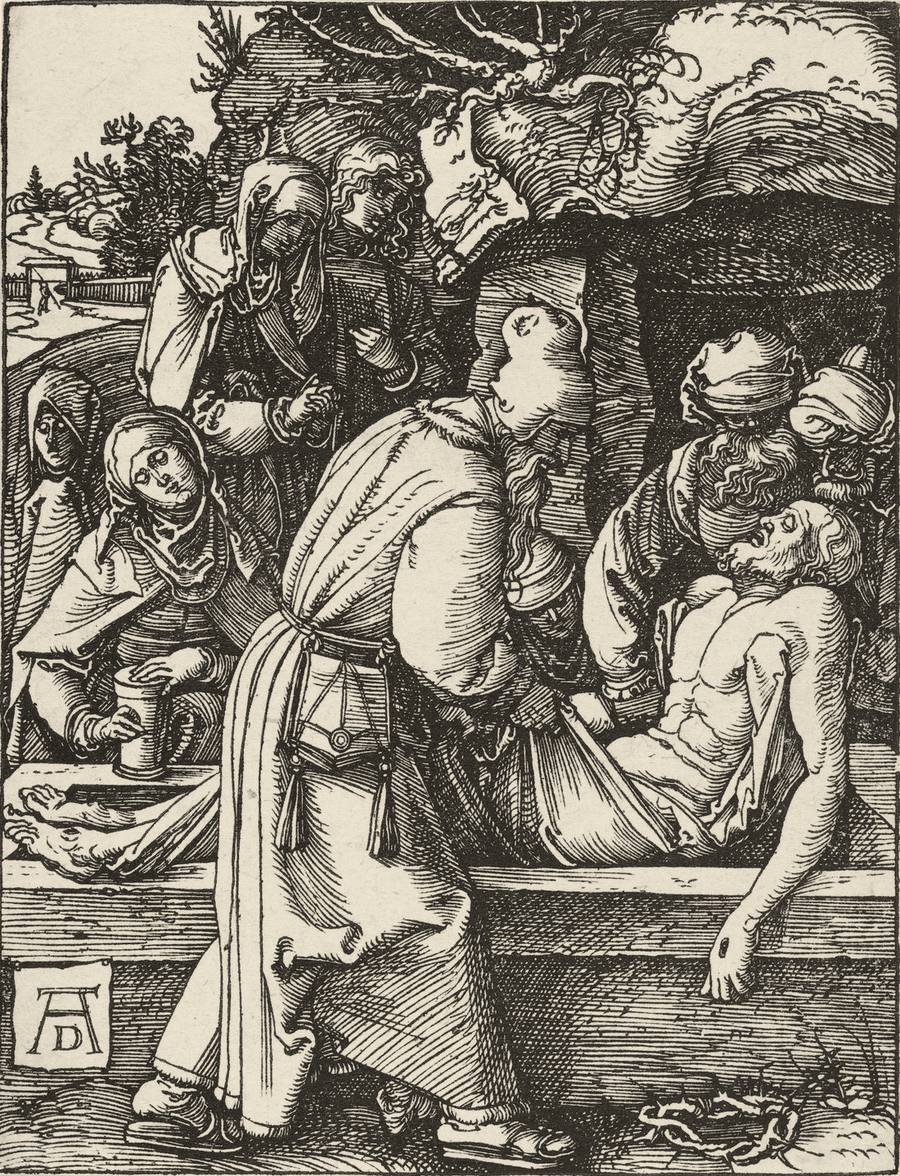
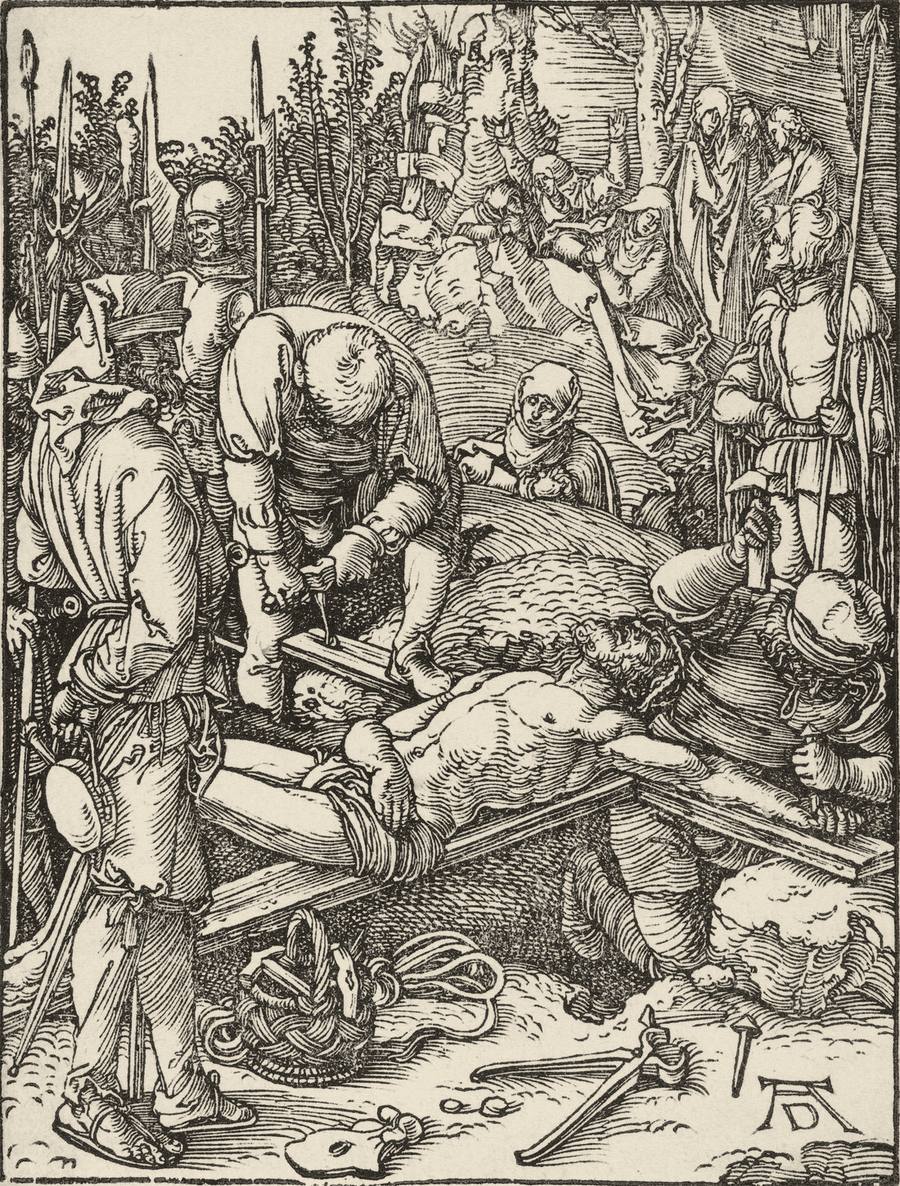
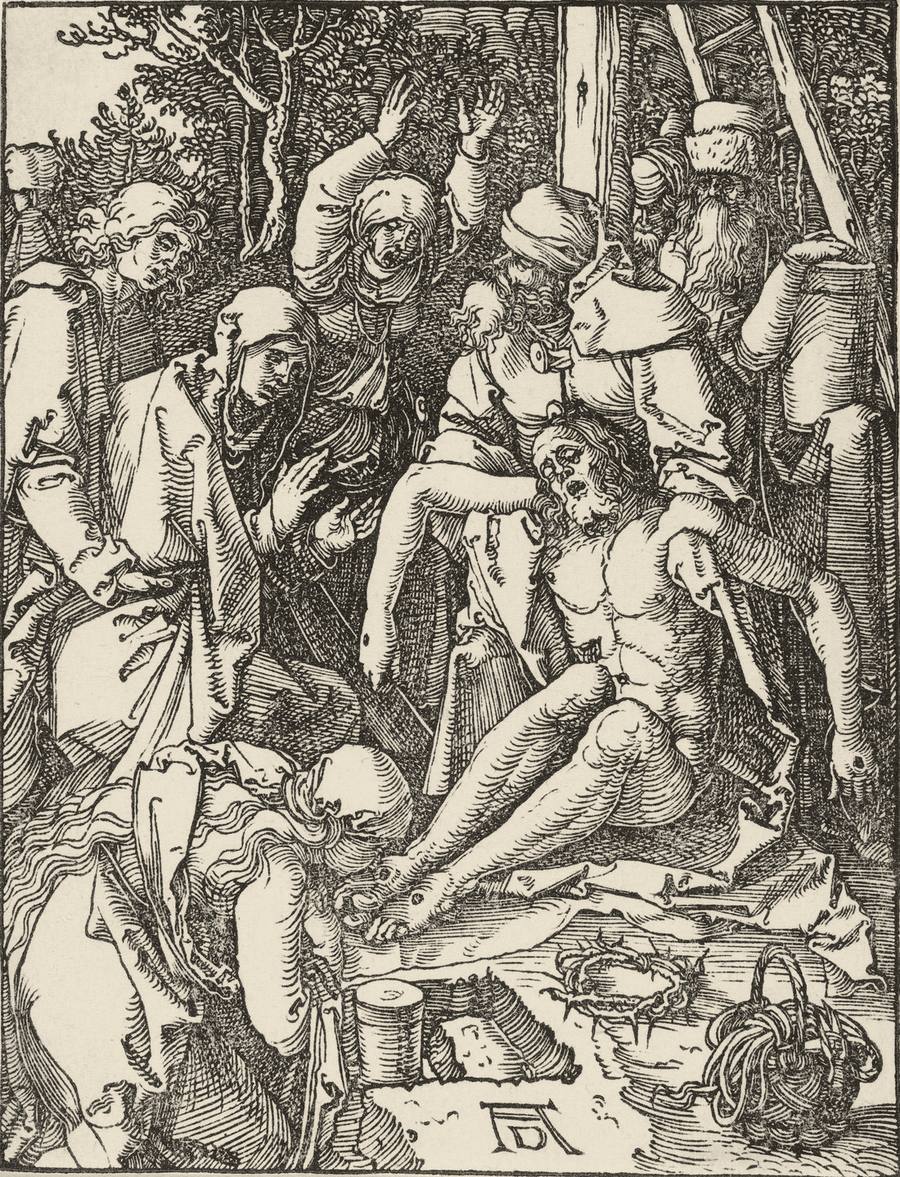
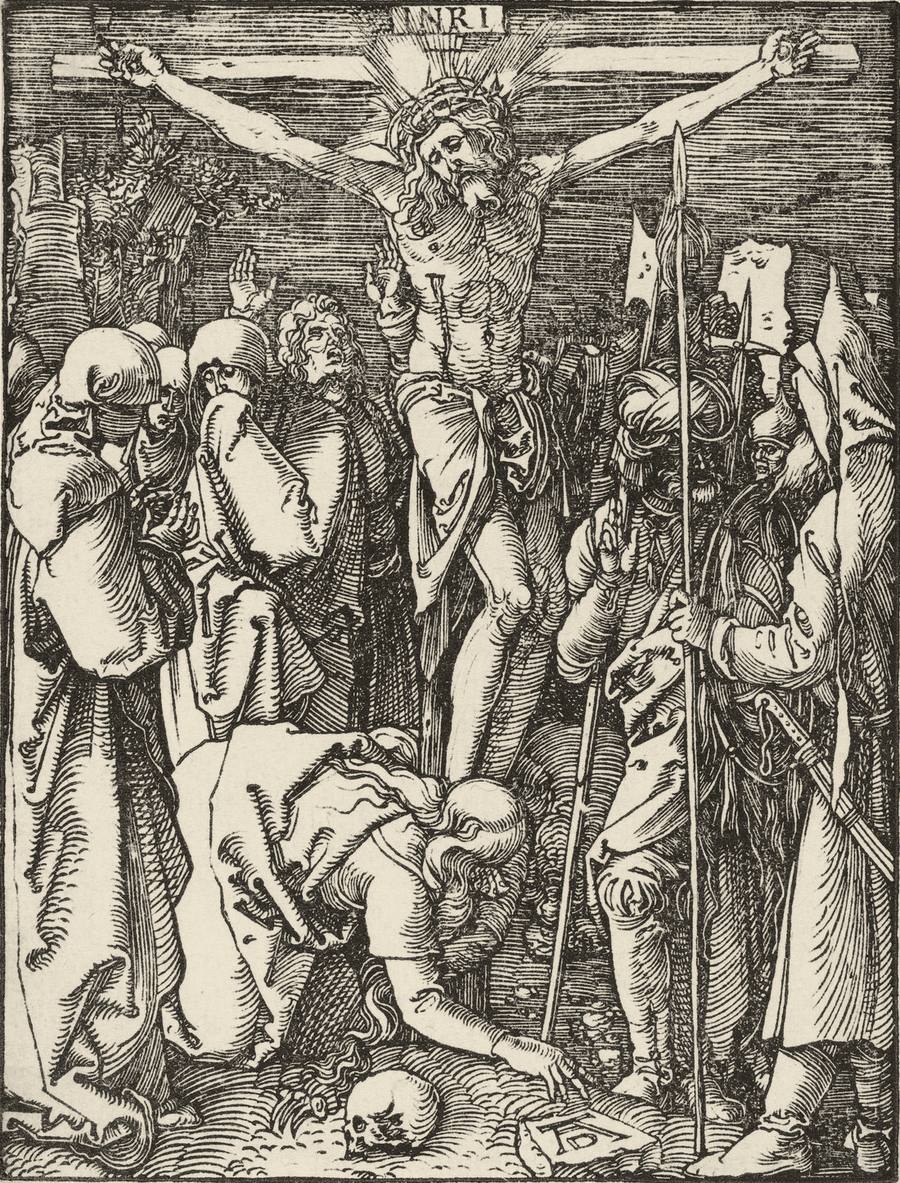
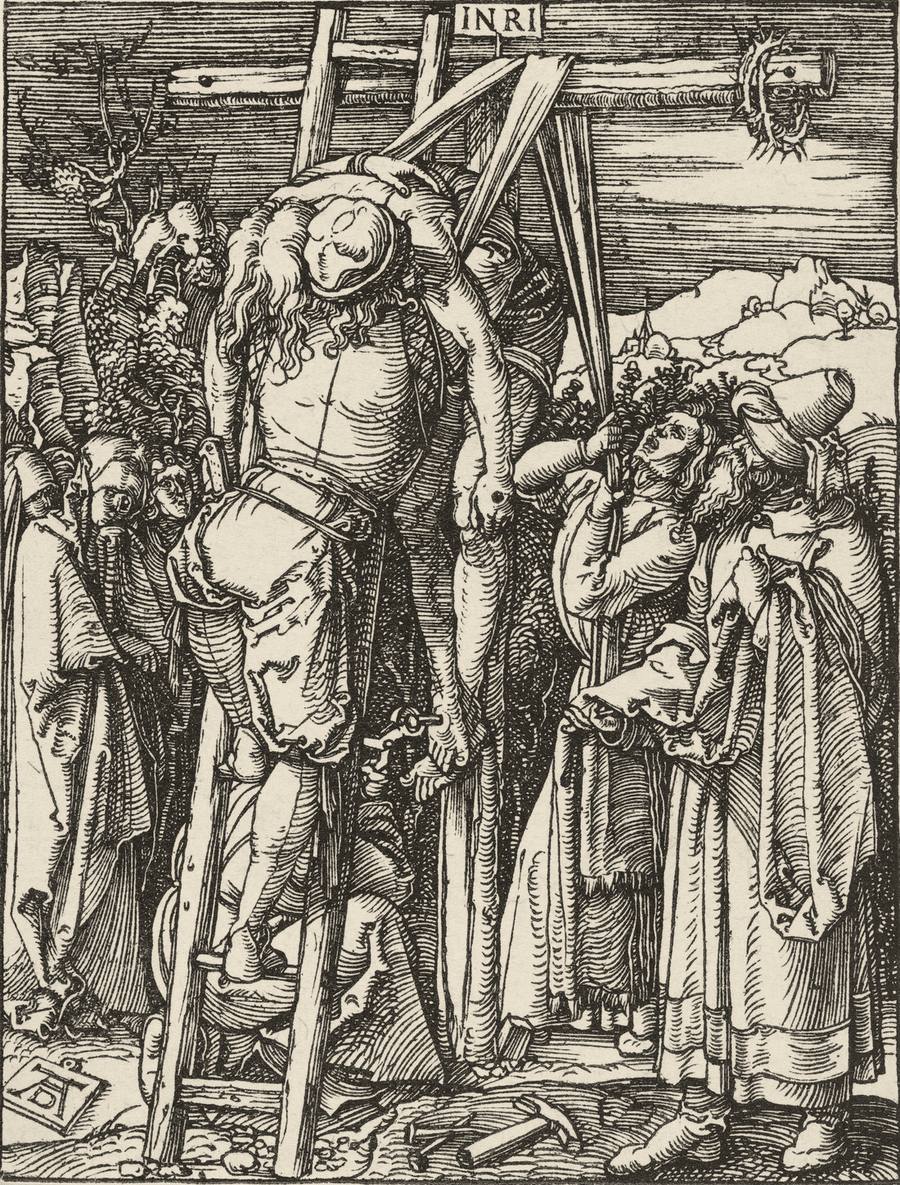
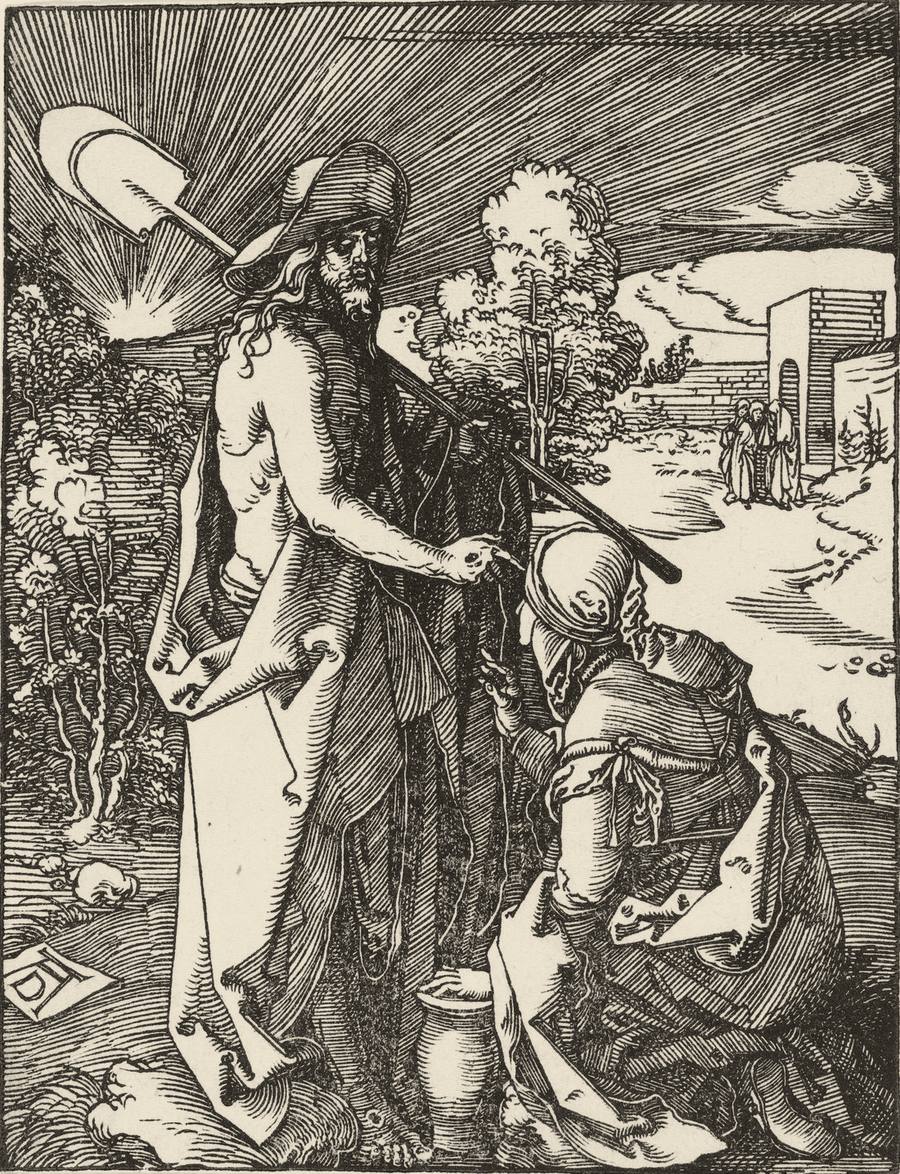
Every verse is quoted word for word from the King James Version. Where scholars and traditions disagree, the book sets out the views fairly and leaves the judgment to you. Each chapter opens with a woodcut from Albrecht Dürer's Small Passion and ends with what it might mean to stand where that person stood today, with a short prayer in plain words.
With twelve chapters, it reads naturally through Lent, two chapters a week from Ash Wednesday to Easter, on your own or with a group.
Inside the book
Twelve chapters in three parts
The Night He Was Betrayed
Thursday night
- 1Friend, Wherefore Art Thou Come?Judas
- 2He Touched His EarMalchus
- 3The Lord Turned, and LookedPeter
Outside the Gate
Friday morning
- 4What Is Truth?Pilate
- 5Not This Man, but BarabbasBarabbas
- 6To Bear His CrossSimon of Cyrene
- 7Weep Not for MeThe women who wept
A Garden, and a Tomb
Friday afternoon to Sunday morning
- 8Lord, Remember MeThe thief
- 9Behold Thy MotherMary and John
- 10Truly This Was the Son of GodThe centurion
- 11A Disciple, but SecretlyJoseph of Arimathea and Nicodemus
- 12RabboniMary Magdalene
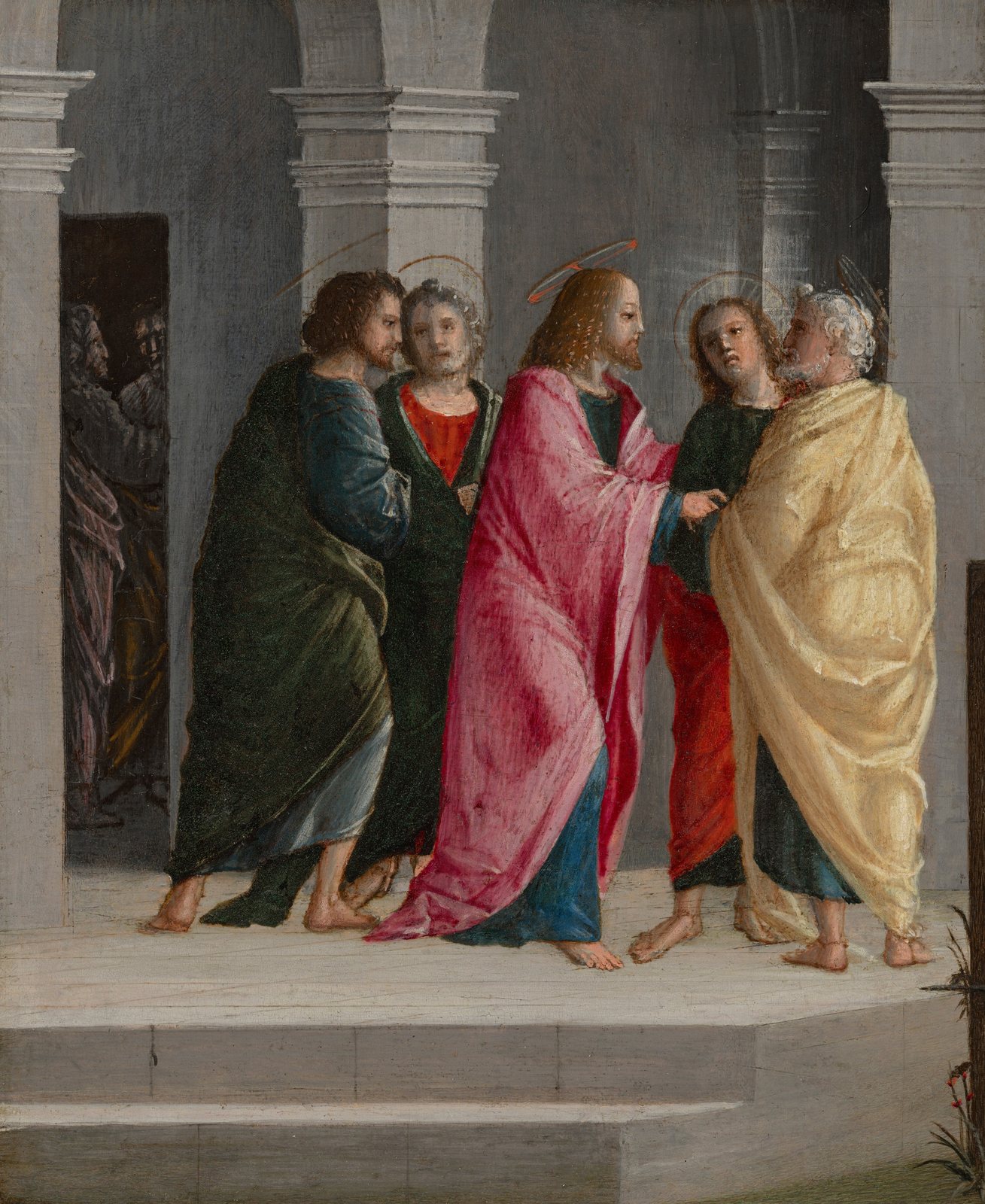
The cover painting
Christ Instructing Peter and John to Prepare for the Passover
Vincenzo Civerchio, 1504
Tempera on panel · National Gallery of Art, Washington, Samuel H. Kress Collection
It shows the day this book begins. Jesus stands among his disciples and sends Peter and John into the city to make ready for the Passover supper. Peter is the white-haired man in yellow, and John the young man beside him. Within a day, one of them would weep bitterly by a fire, and the other would stand at the foot of the cross.
The panel has a story of its own. From the 1950s to the 1970s, the Gallery's catalogues listed it under another painter's name, Bramantino, and another title, The Apparition of Christ Among the Apostles. Today it carries Civerchio's name, and a title for the quiet moment before the Passion begins.
The art inside
The woodcuts
Albrecht Dürer · Woodcut · Nuremberg, about 1509–1511 · Select any picture to see it larger.
Each part and chapter opens with a woodcut from Albrecht Dürer's Small Passion, a little book of 36 pictures and a title page that tells the whole story of salvation, from Adam and Eve to the Last Judgment, with the Passion at its heart.
Dürer made the blocks between about 1508 and 1511 and published the book himself in Nuremberg in 1511, with Latin verses by the Benedictine monk Benedictus Chelidonius. Each picture is only about five inches tall, small enough to hold in the hand and pray over.
The blocks went on printing long after Dürer's death; an Italian edition appeared in Venice in 1612, and thirty-four of the original woodblocks survive today in the British Museum. The prints shown here belong to the National Gallery of Art in Washington.
Like many artists of his time, Dürer dressed the people of the Bible in the clothes of his own day, and sometimes pictured traditions that grew up later, such as Saint Veronica. The captions say so.
About the artists
The hands behind the pictures
The woodcuts
Albrecht Dürer
1471–1528 · German painter and printmaker
Albrecht Dürer was born in Nuremberg, the son of a goldsmith, and trained in the workshop of the painter Michael Wolgemut, which also made woodcuts for printed books. Two long journeys to Italy brought him face to face with the Renaissance.
Back home, he became one of the first artists to win fame across Europe through prints: the Apocalypse woodcuts of 1498, engravings such as Melencolia I (1514), and the illustrated books he published himself in 1511, the Small Passion among them. He died in Nuremberg in 1528.
The cover
Vincenzo Civerchio
About 1460/1470 – probably 1544 · Italian painter
Vincenzo Civerchio was a Lombard painter from Crema, who worked for much of his career in nearby Brescia, where some of his altarpieces remain. A writer of his own day, Marcantonio Michiel, called him a “painter, architect and perspectivist.”
He also carved in wood and painted the organ shutters of Crema's cathedral. The small panel in Washington, dated 1504, is among his best-known works.
Image sources
Cover painting: Vincenzo Civerchio, Christ Instructing Peter and John to Prepare for the Passover, 1504. National Gallery of Art, Washington, Samuel H. Kress Collection. Open access (public domain).
Woodcuts: Albrecht Dürer, The Small Passion, about 1509–1511. National Gallery of Art, Washington, Rosenwald Collection. Open access (public domain).