G.W. Hale / Books
You know the words. Meet the people who wrote them.
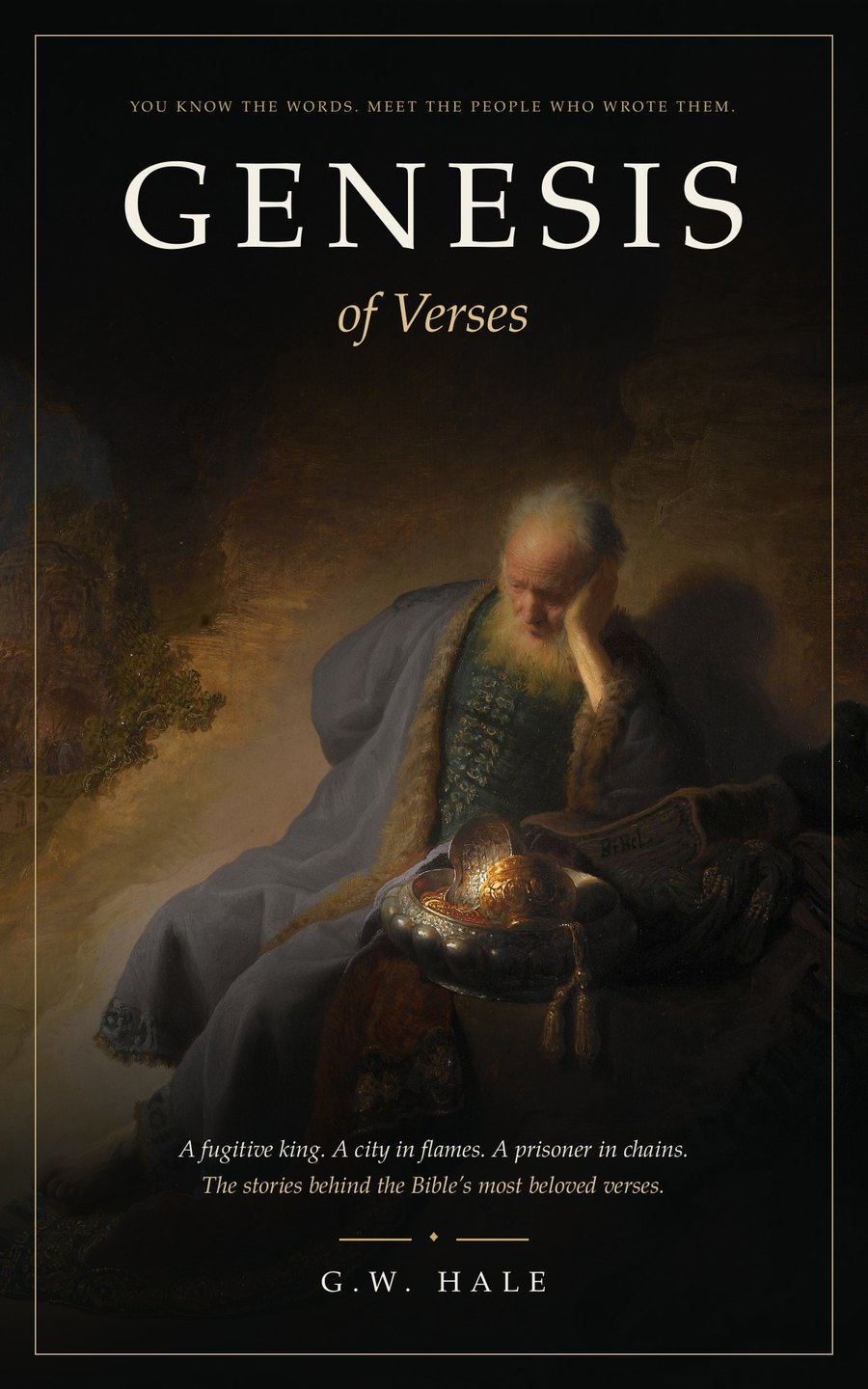
Genesis of Verses
The Stories Behind the Bible's Most Beloved Verses
A fugitive king. A city in flames. A prisoner in chains. The verses we reach for in our hardest moments were almost never written by people whose lives were going well. Genesis of Verses goes back to the moment twelve of the Bible's best-loved passages were born, and meets the people who first wrote them down.
Coming soon to Amazon
About the book
“The LORD is nigh unto them that are of a broken heart.” “I can do all things through Christ.” “For I know the thoughts that I think toward you.” We write these verses in sympathy cards, hang them on our walls and hold on to them in hospital hallways. But who first wrote them down, and what were they going through when they did?
In Genesis of Verses, a minister takes you back to the moment twelve of Scripture's most beloved passages were born: a young king pretending to be mad to escape his enemies, a prophet trembling on a watchtower as an army approached, a poet sitting in the ashes of Jerusalem, a prisoner in chains thanking his friends for a gift, and an old man exiled on an island and told to write.
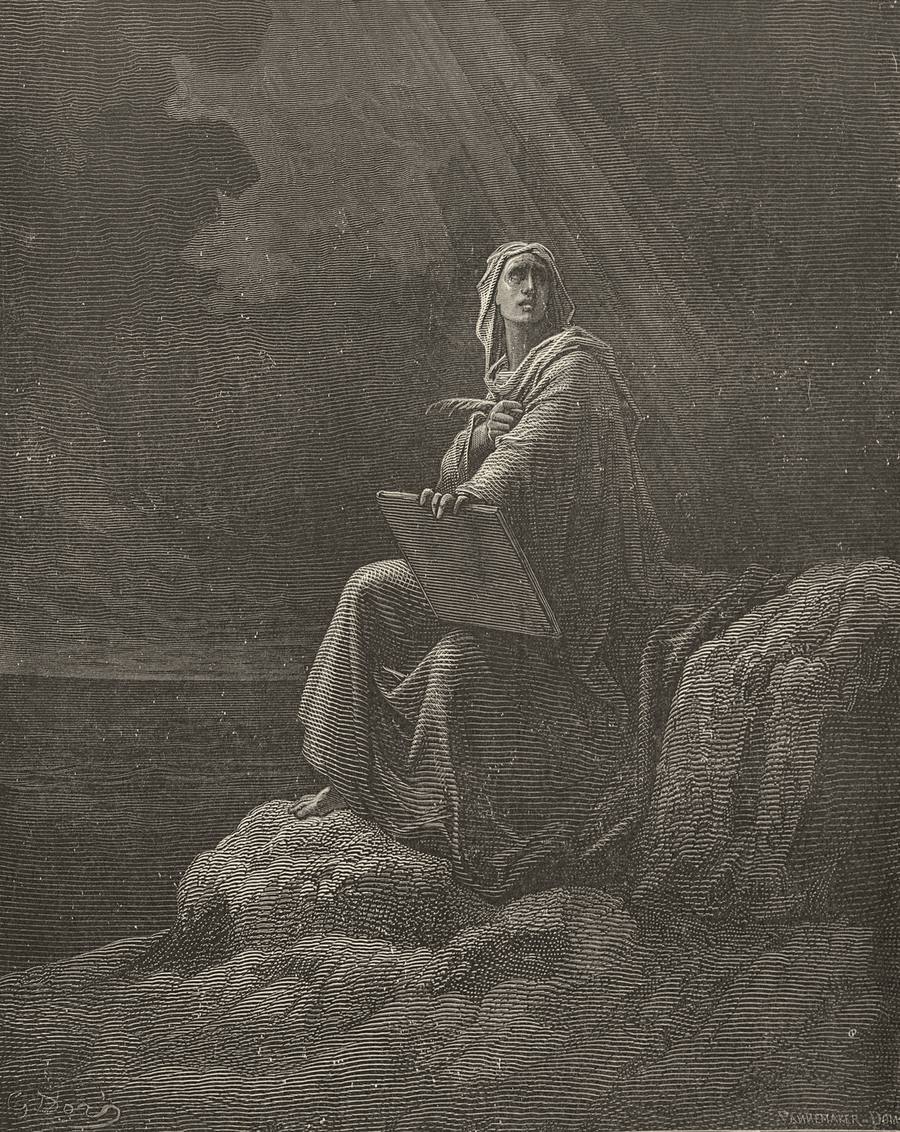
Every verse is quoted word for word from the King James Version. Where scholars and traditions disagree about who wrote a passage, or when, the book sets out both views fairly and leaves the judgment to you. Each chapter opens with an engraving by Gustave Doré.
Warm, honest and easy to read, this is a book for anyone who has leaned on these words in a hard season. You may find that the verses you thought you knew mean even more when you know where they came from.
Inside the book
Twelve chapters in three parts
A King on the Run
Around 1000 BC
- 1The Man Who Pretended to Be MadPsalms 34 and 56
- 2In the CavePsalms 57 and 142
- 3After BathshebaPsalm 51
- 4Running From His SonPsalm 3
A City Falling
Around 600 BC
- 5Waiting for the InvasionHabakkuk 3
- 6A Letter to the DeportedJeremiah 29
- 7Sitting in the AshesLamentations 3
- 8By the Rivers of BabylonPsalm 137
- 9Comfort Ye My PeopleIsaiah 40
Letters From Chains
The first century AD
- 10Rejoicing in PrisonPhilippians 4
- 11The Last Letter2 Timothy 4
- 12An Old Man on an IslandRevelation 1 and 21
The cover painting
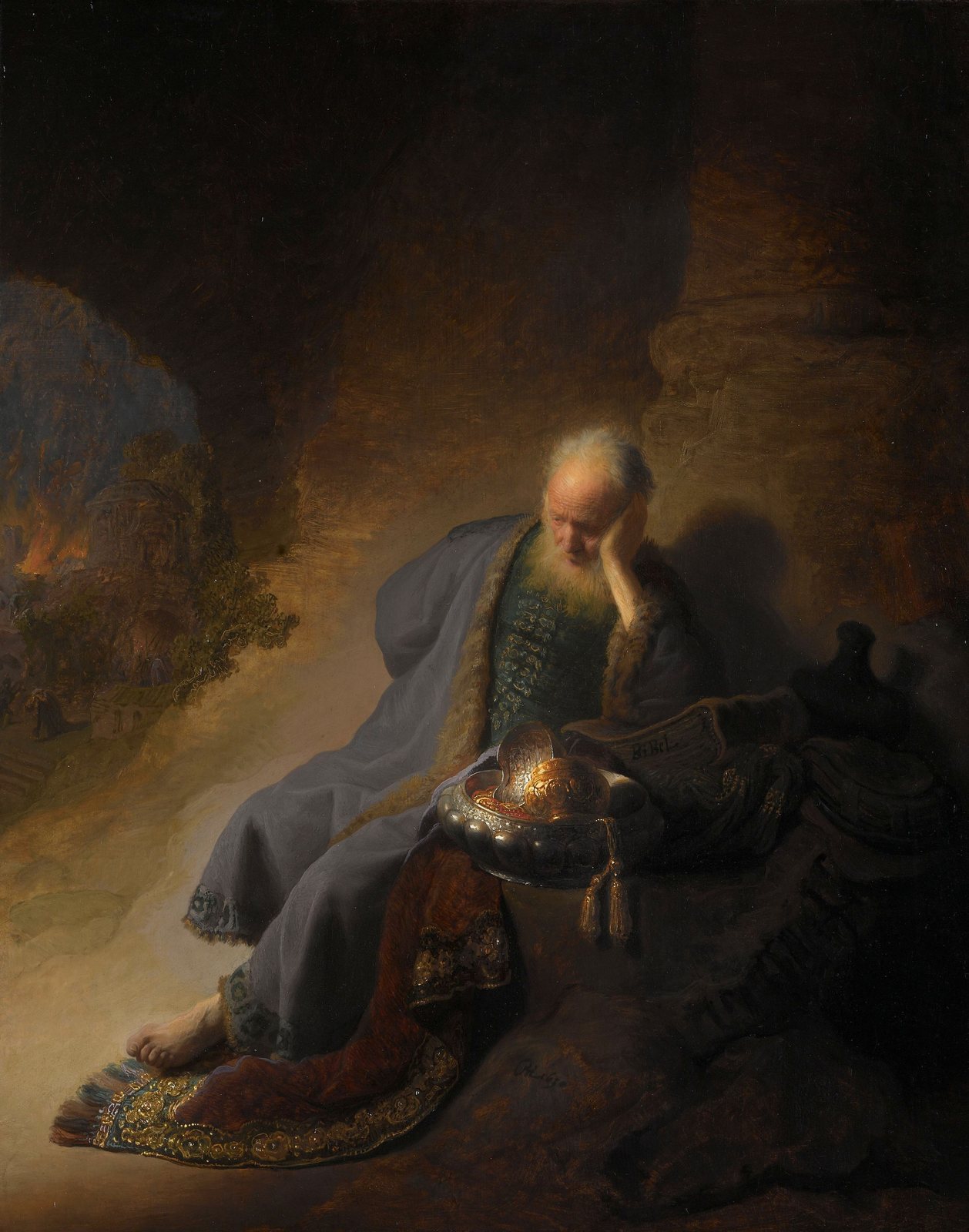
Jeremiah Lamenting the Destruction of Jerusalem
Rembrandt van Rijn, 1630
Oil on panel, 58 × 46 cm · Rijksmuseum, Amsterdam
The prophet sits alone at the foot of a great pillar, his head resting on his hand. Behind him, in the dark, Jerusalem is burning: the city he had warned for some forty years.
Rembrandt painted it in 1630, when he was about twenty-four and still working in his hometown of Leiden. He lit the old man brightly and let the burning city sink into shadow, and he took the prophet's bearded head from the old men he was etching around that time. It is counted among the finest paintings of his early years.
It is a picture of what this book is about: a man of God in the worst hour of his life, still holding on. Jeremiah's story is told in Part Two.
The art inside
The engravings
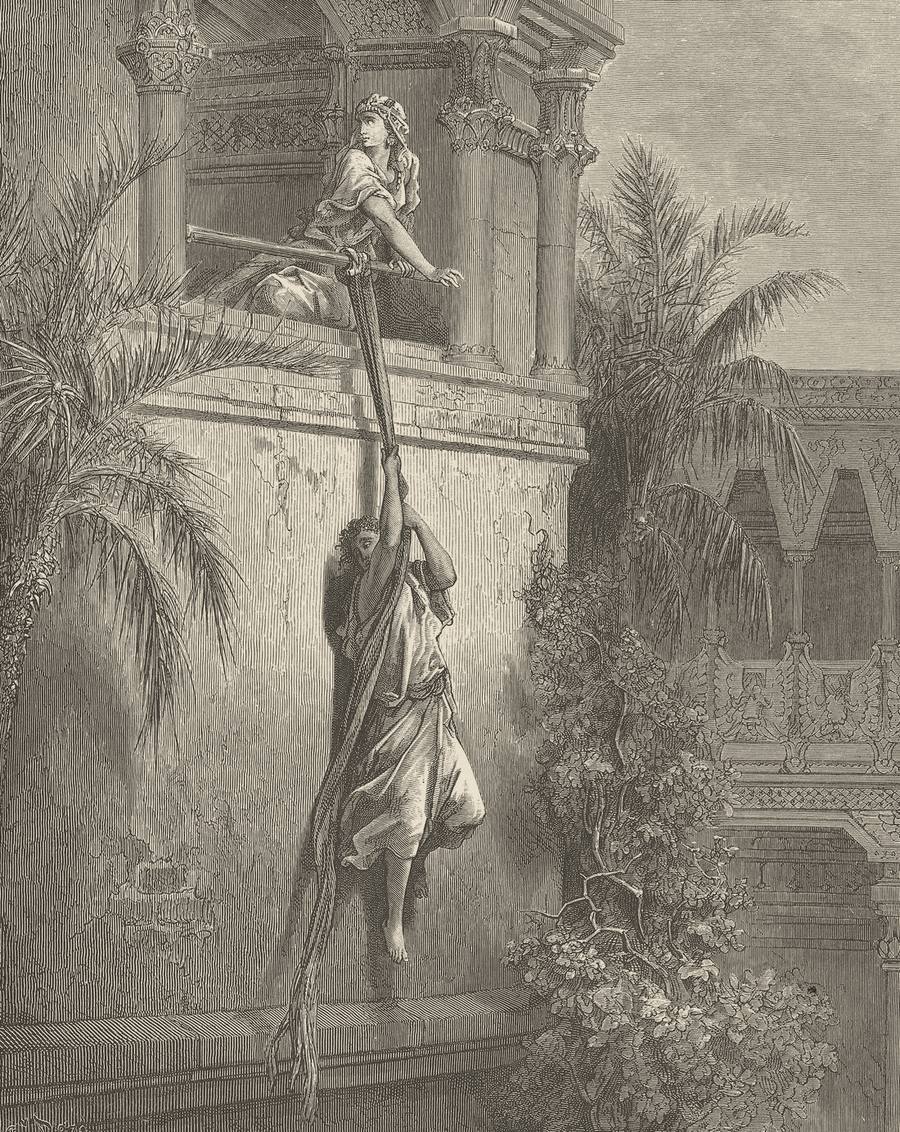
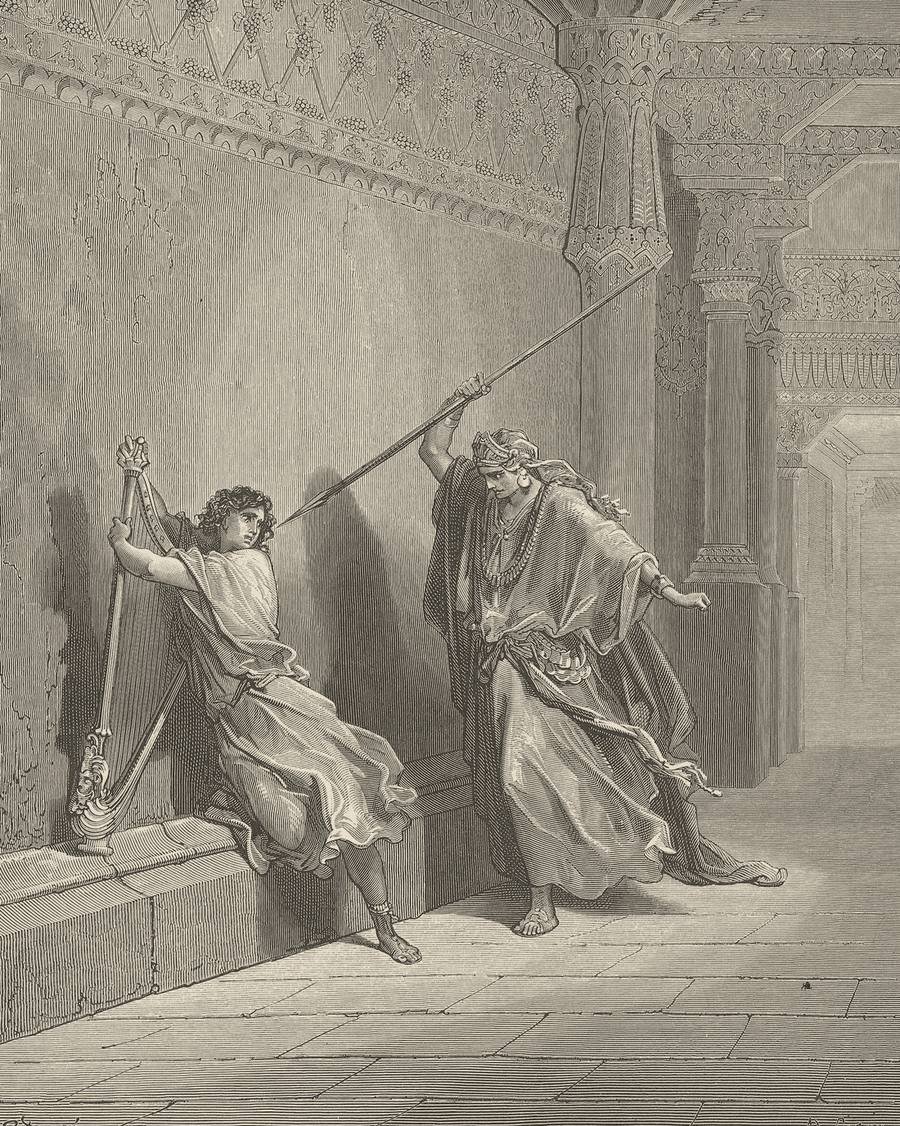
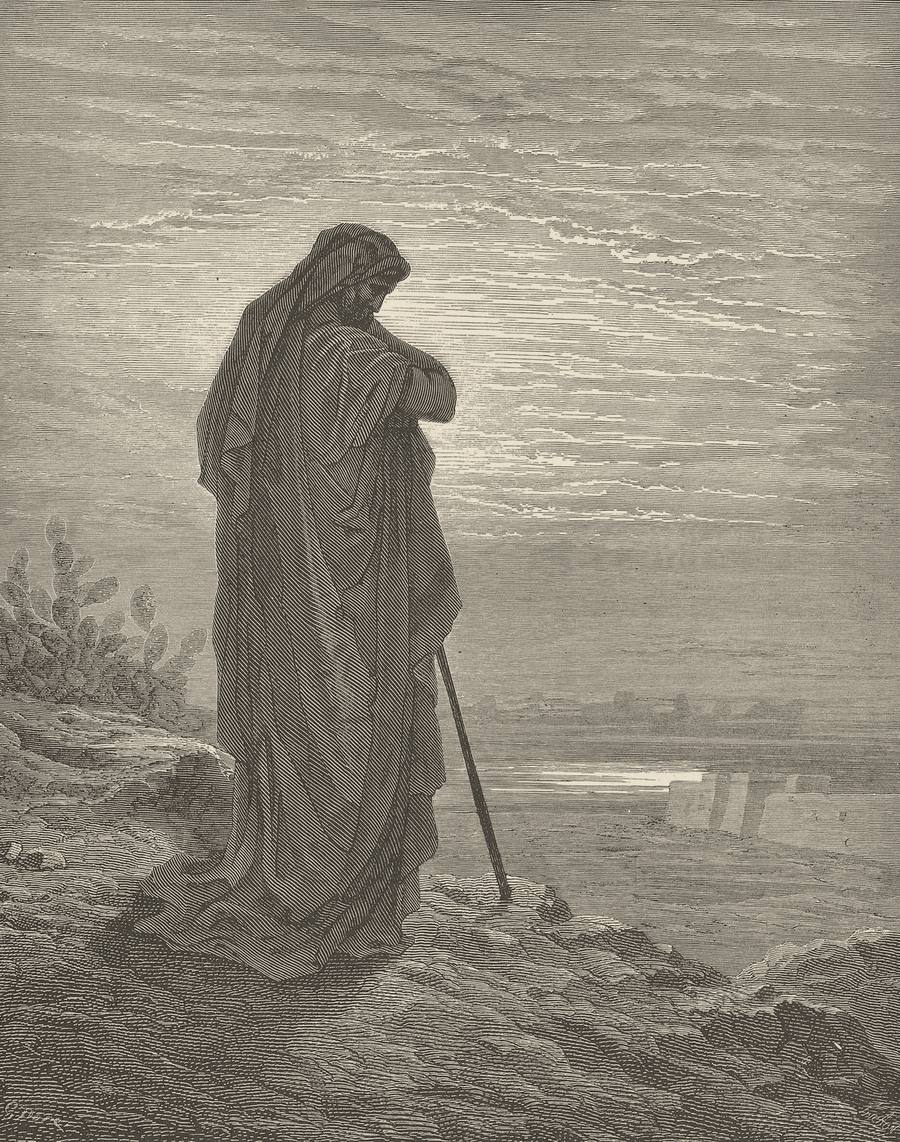
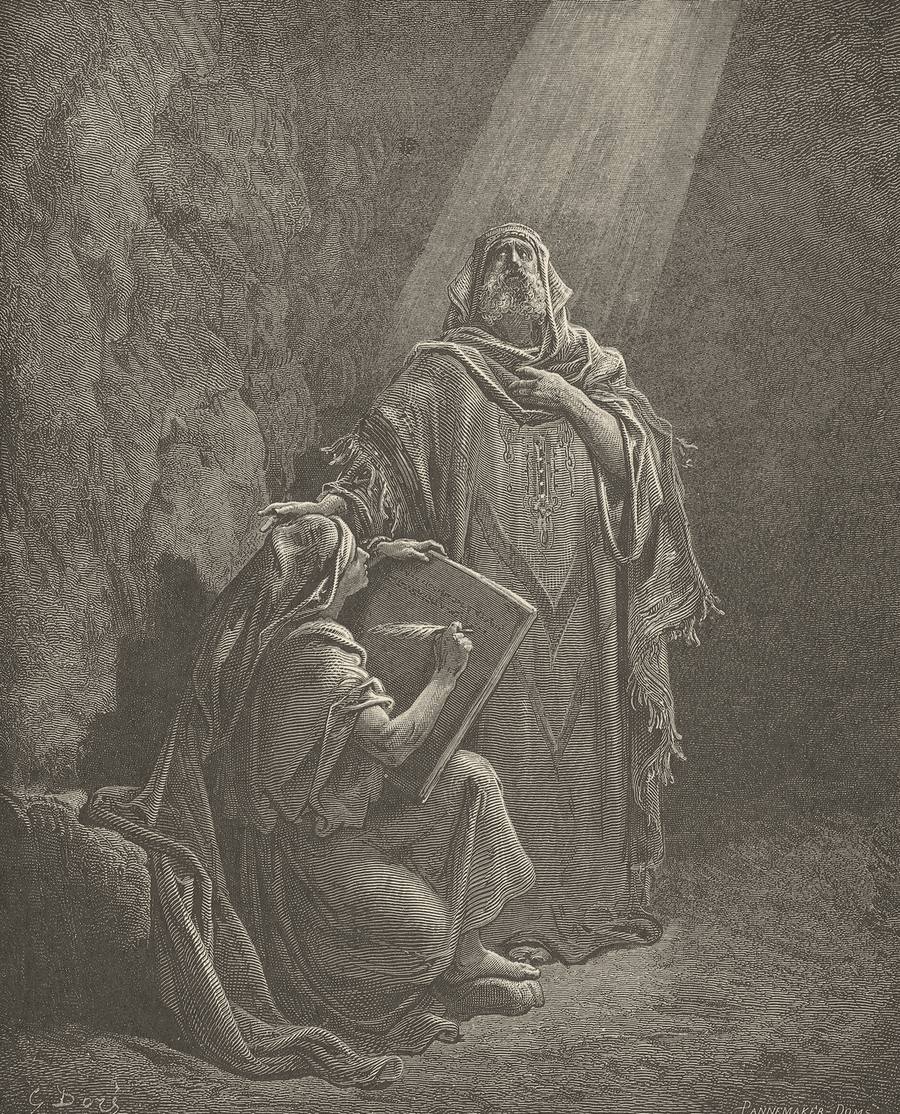
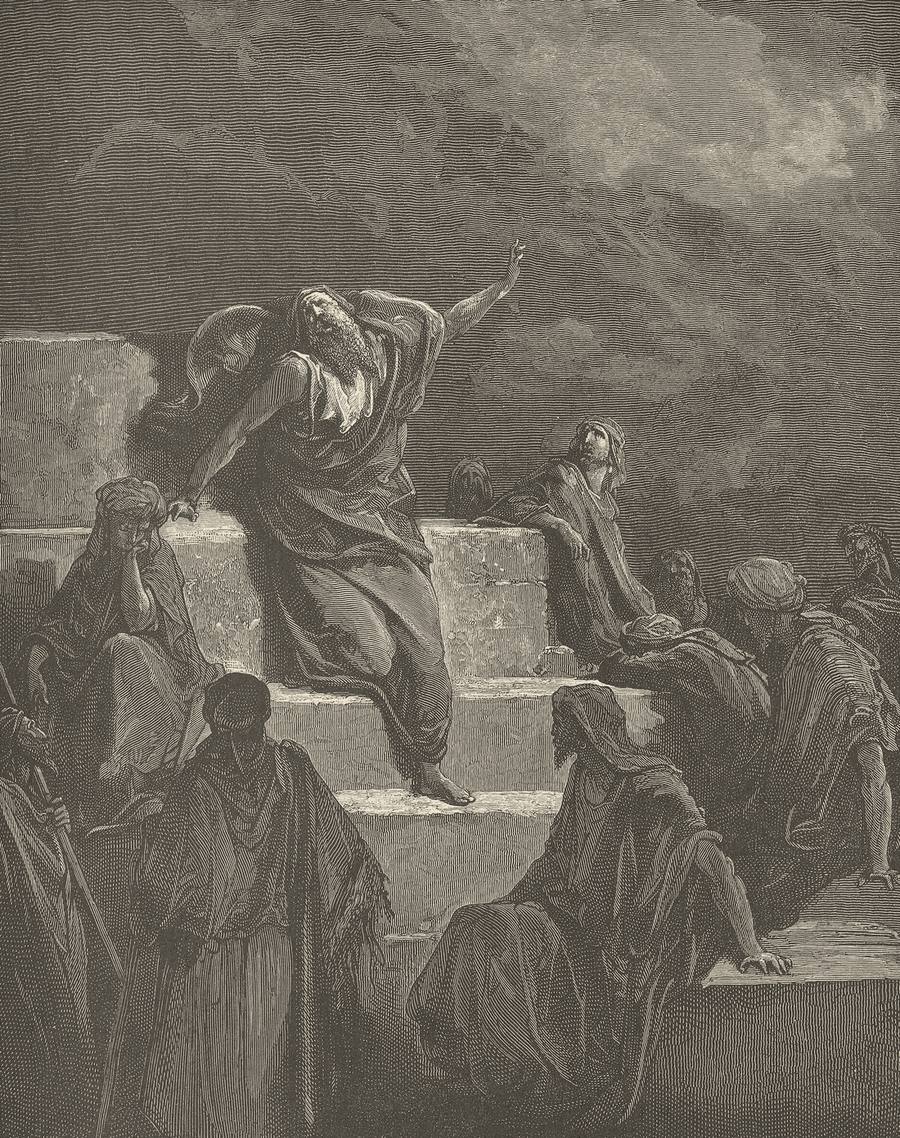
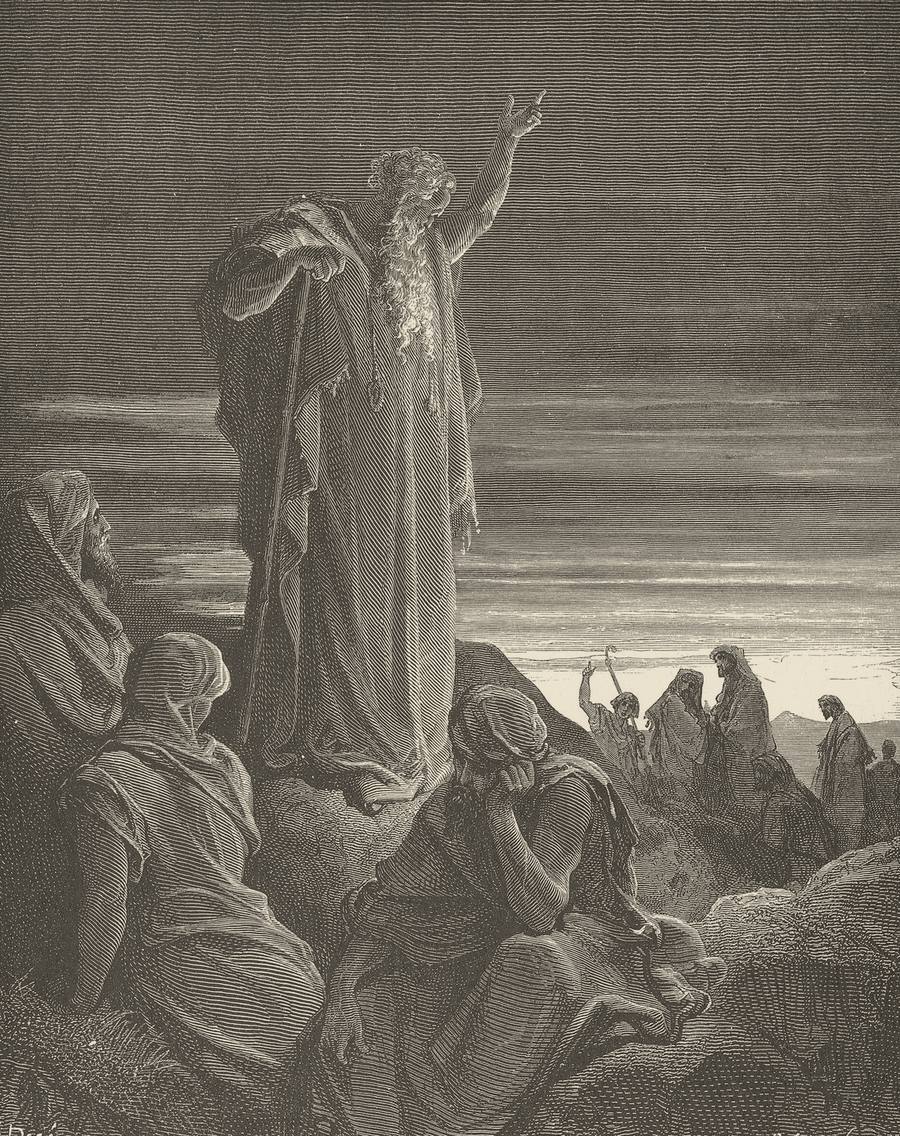
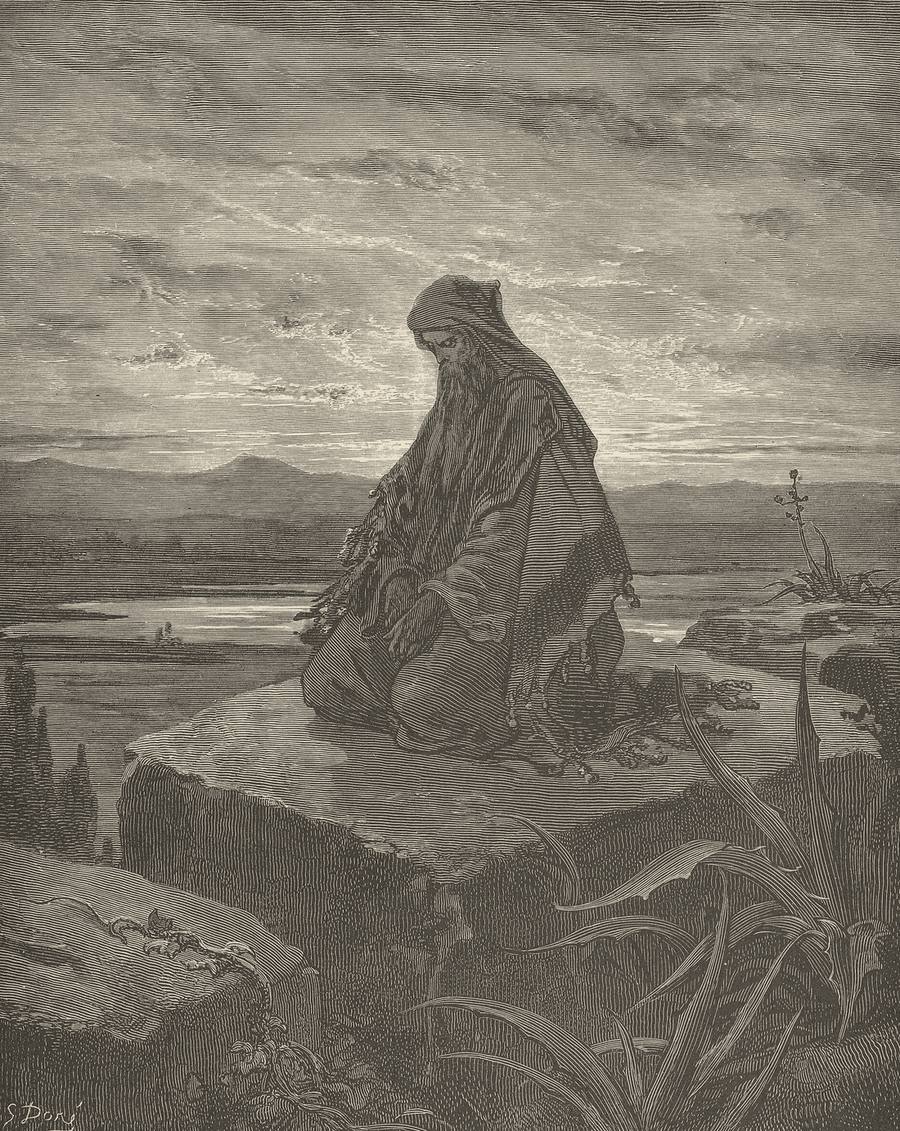
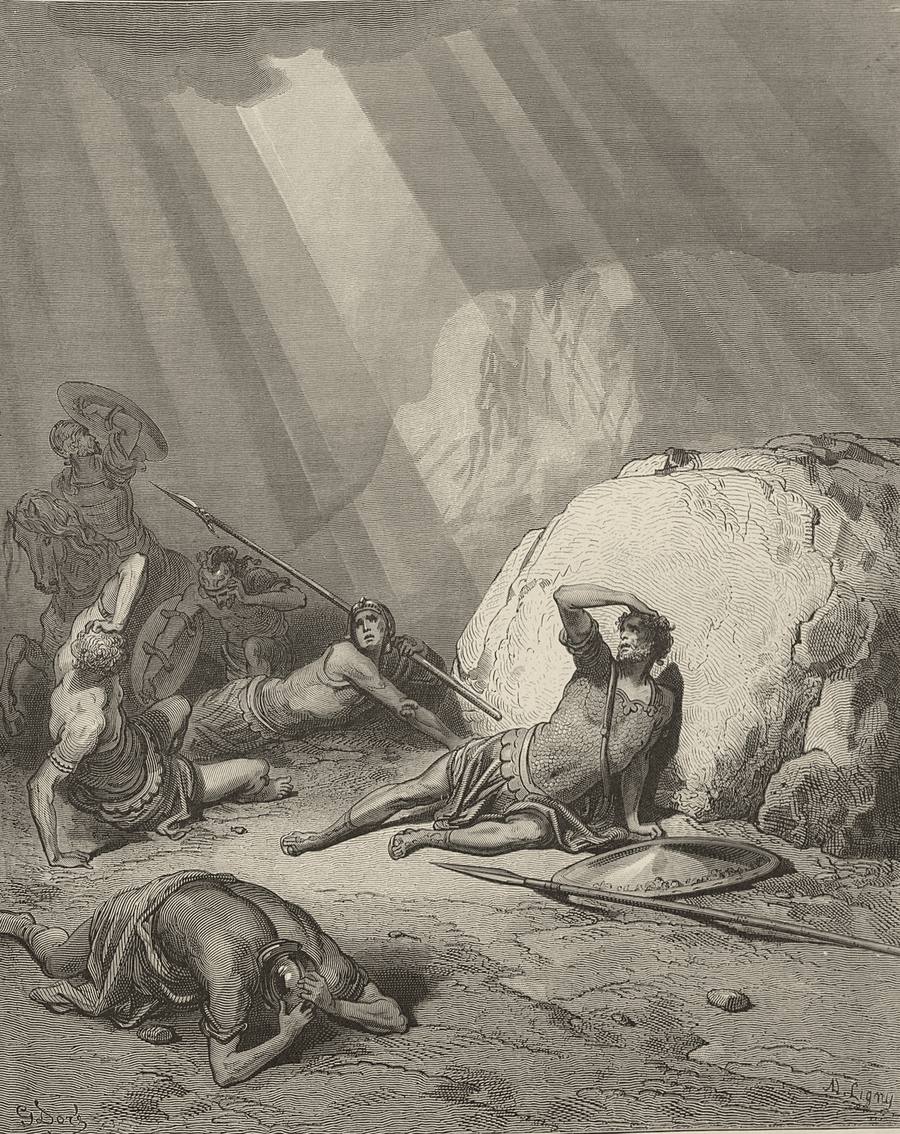
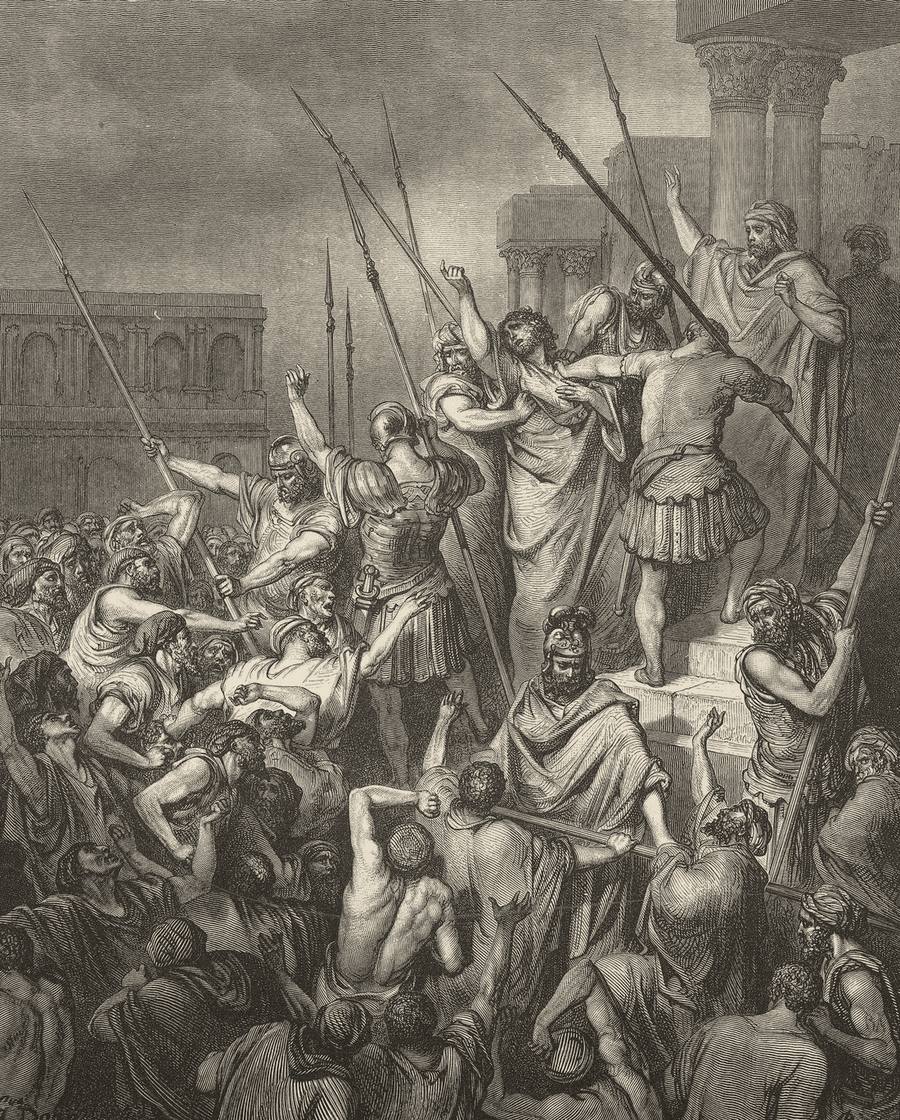
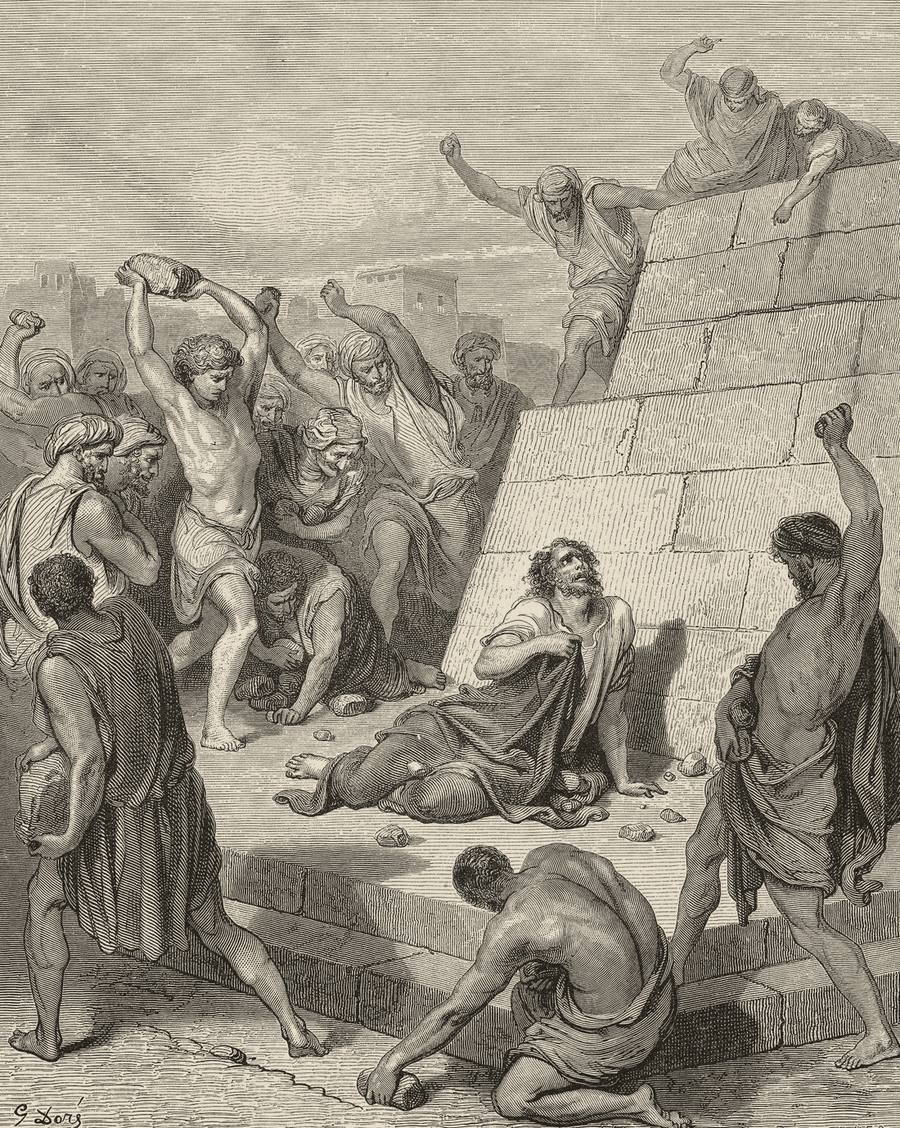
Gustave Doré · Wood engraving · 1866 · Select any picture to see it larger.
Each part and chapter opens with a wood engraving by Gustave Doré from La Grande Bible de Tours, a grand two-volume French Bible published in 1866 by Alfred Mame et Fils of Tours, and at the same time by Cassell in England. Doré designed 241 pictures for it.
Doré drew each scene directly onto a block of wood, and skilled engravers cut his drawing into the block for printing. Look closely and many plates carry two names: Doré's on one side and the engraver's on the other.
The pictures were reprinted across Europe and America for decades. The copies shown here come from three of those printings: the English edition, a Polish Bible of 1874 and a Spanish Bible of 1884. Where Doré made no plate for a chapter's own moment, a related scene stands in its place, and the caption says exactly what it shows.
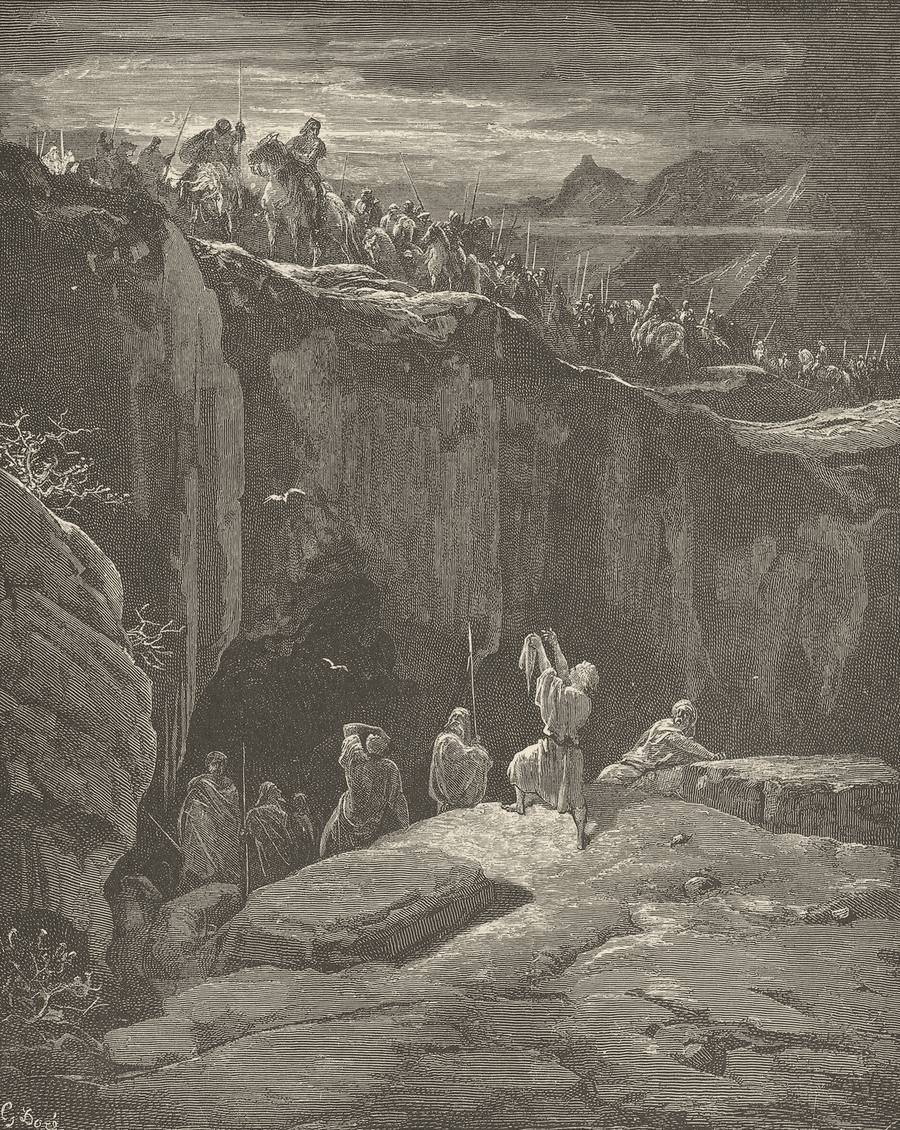
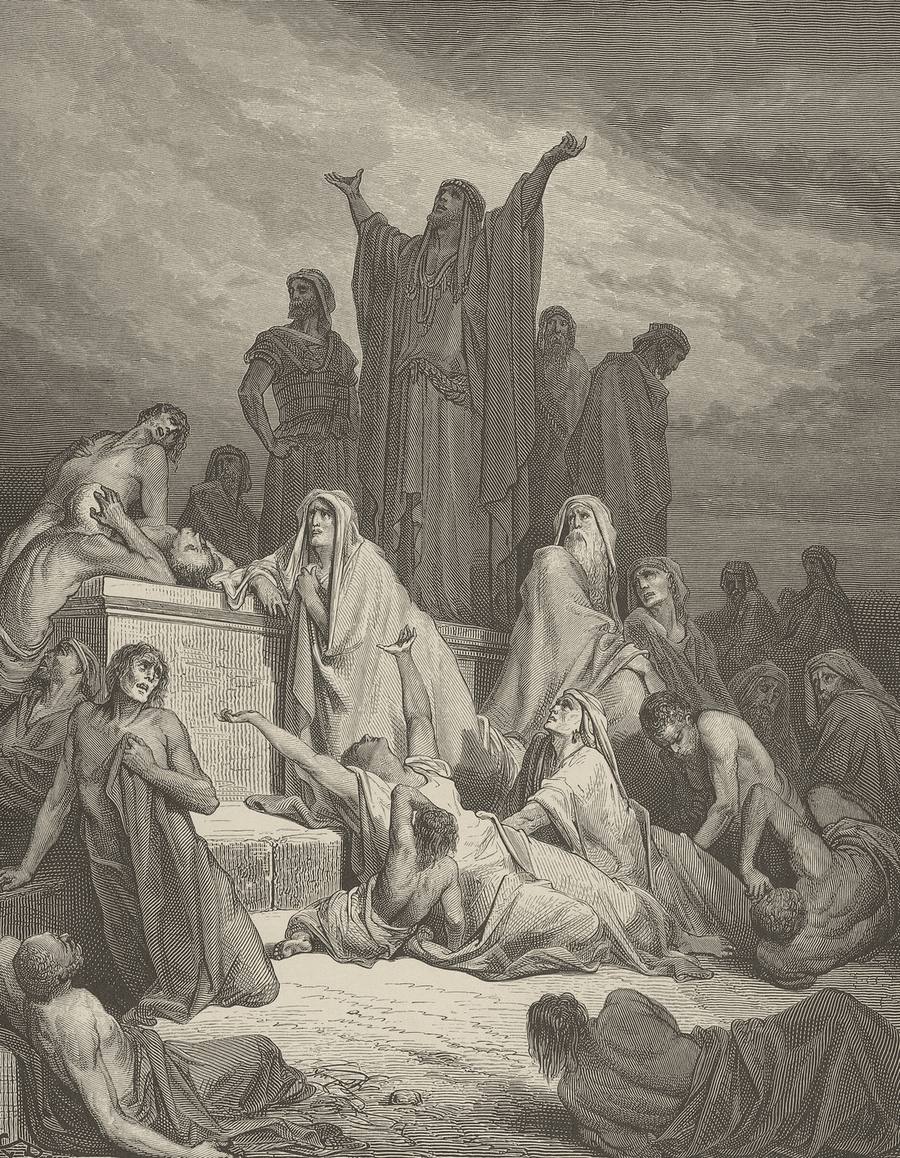
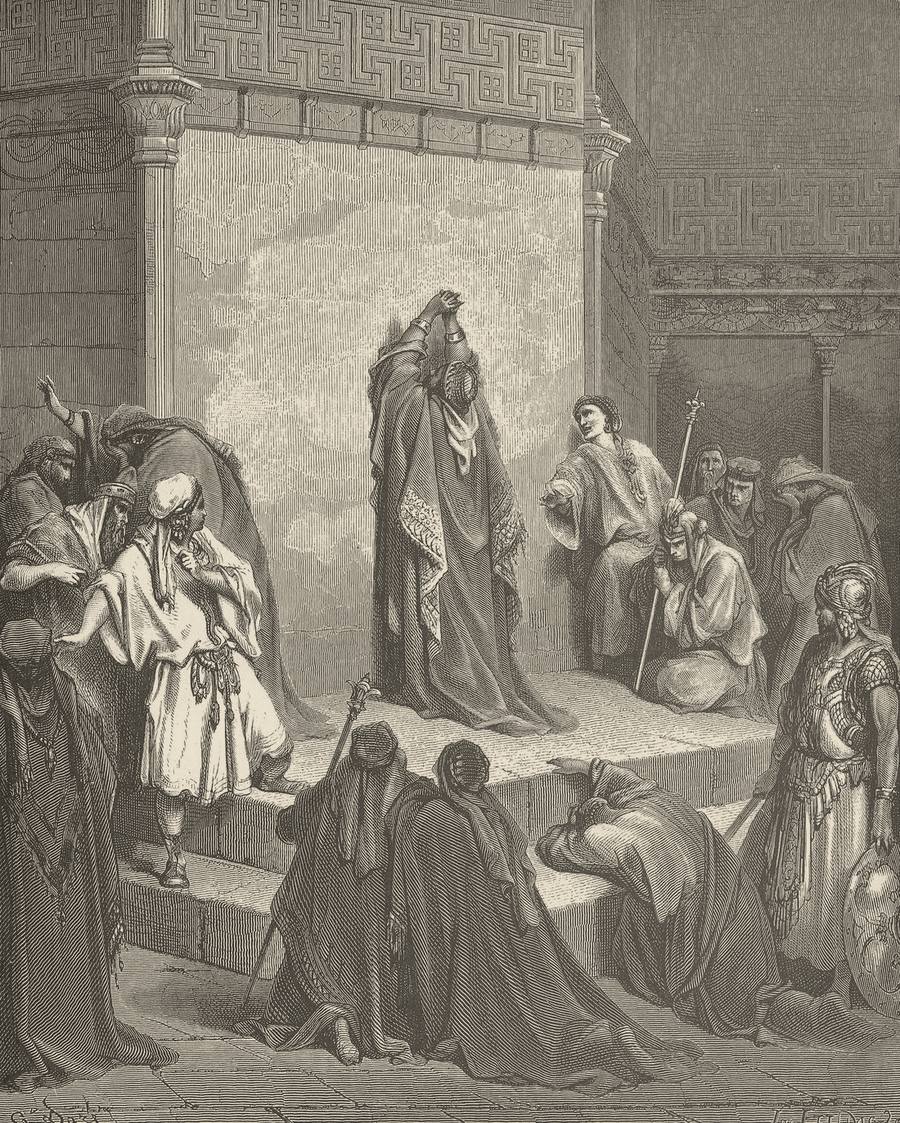
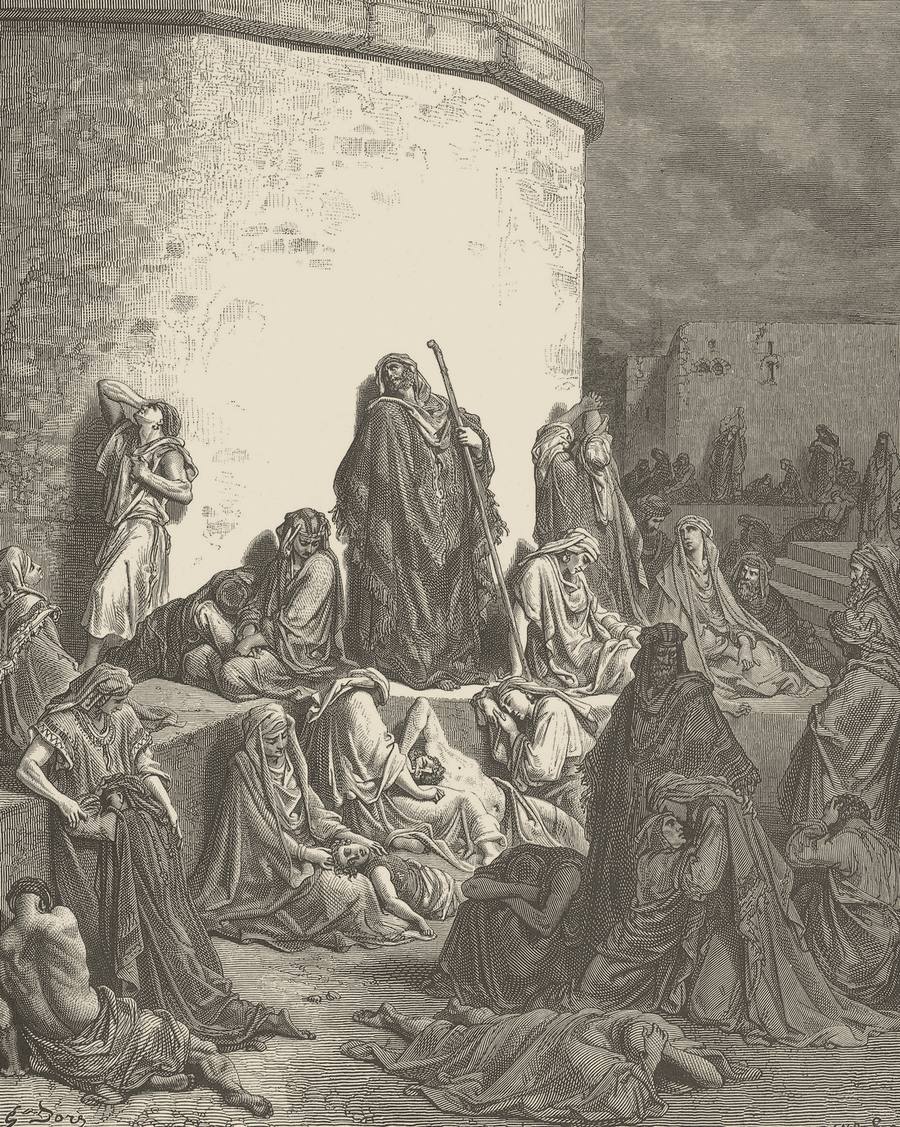
About the artists
The hands behind the pictures
The engravings
Gustave Doré
1832–1883 · French illustrator, painter and sculptor
Gustave Doré was born in Strasbourg and was drawing for a Paris comic paper by the age of fifteen. He went on to become the most sought-after illustrator of his century, with pictures for Dante's Inferno (1861), Don Quixote (1863), the Bible (1866) and Milton's Paradise Lost (1866), among many others.
He also painted and sculpted, and a gallery in London was given over entirely to his work. He died in Paris in 1883, at fifty-one. For generations afterwards, his Bible pictures shaped how readers imagined its people and places.
The cover
Rembrandt van Rijn
1606–1669 · Dutch painter and printmaker
Rembrandt was born in Leiden, the son of a miller, and painted Jeremiah there before moving to Amsterdam in the early 1630s. He became one of the greatest painters of the Dutch Golden Age, known for his portraits and self-portraits, his etchings, and his quiet, deeply felt pictures of Bible stories, lit as if by a single lamp.
He trained many pupils in his studio, among them Nicolaes Maes, whose painting is on the cover of Genesis of Prayers. He died in Amsterdam in 1669.
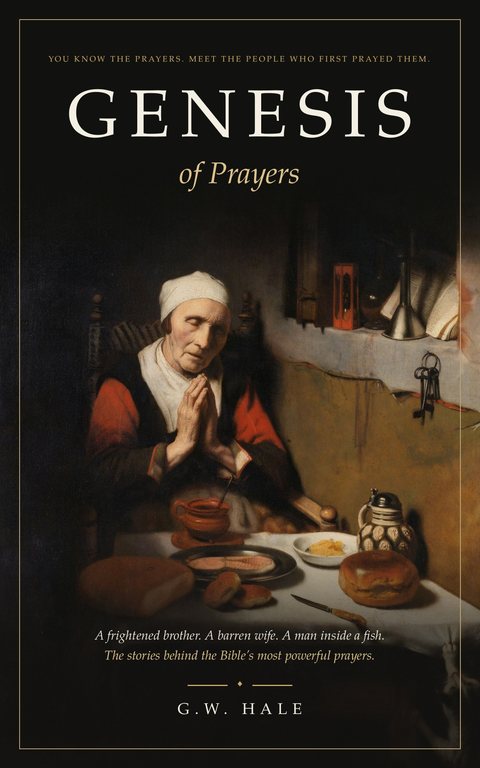
Image sources
Cover painting: Rembrandt van Rijn, Jeremiah Lamenting the Destruction of Jerusalem, 1630. Rijksmuseum, Amsterdam. Public domain.
Engravings: Gustave Doré, La Grande Bible de Tours, 1866. Copies from Wikimedia Commons, the National Library of Poland (Polona) and the Internet Archive. Public domain.