G.W. Hale / Books
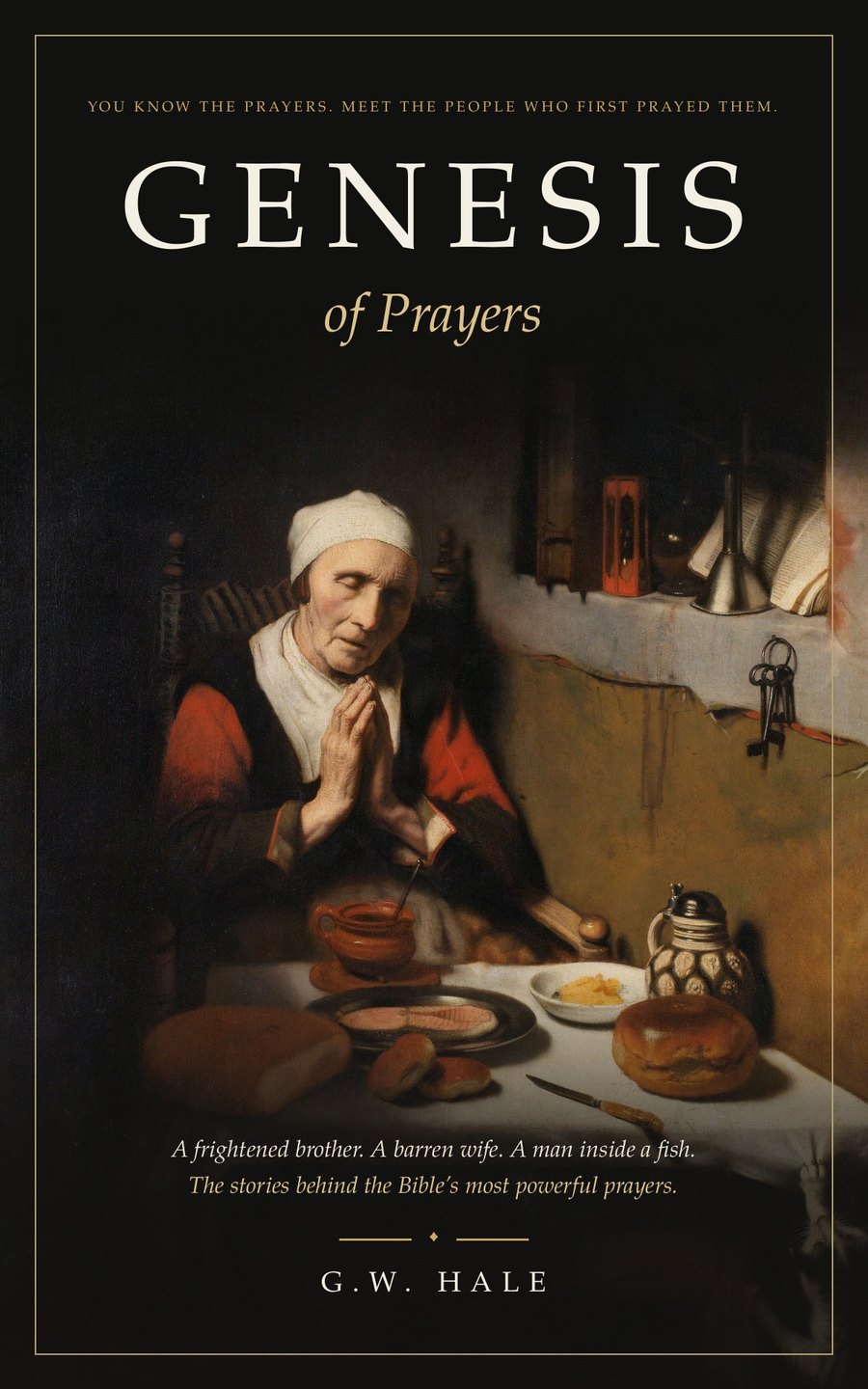
You know the prayers. Meet the people who first prayed them.
Genesis of Prayers
The Stories Behind the Bible's Most Powerful Prayers
A frightened brother. A barren wife. A man inside a fish. The prayers the Bible kept were almost never prayed by people who had it all together. Genesis of Prayers goes back to the moment twelve of Scripture's greatest prayers were first prayed, and ends each chapter with a simple way to pray it today.
Coming soon to Amazon
About the book
“I will not let thee go, except thou bless me.” “Lord, I believe; help thou mine unbelief.” “Not as I will, but as thou wilt.” We pray these words in church, whisper them in hospital chapels and lean on them in the middle of the night. But who first prayed them, and what were they facing when they did?
In Genesis of Prayers, a minister takes you back to the moment twelve of Scripture's most powerful prayers were first prayed: a man wrestling all night by a river, afraid of the brother he had cheated; a woman so heartbroken that a priest thought she was drunk; a prophet under a desert bush, asking to die; a runaway inside a fish; and Jesus himself, face down in a garden, asking if there was any other way.
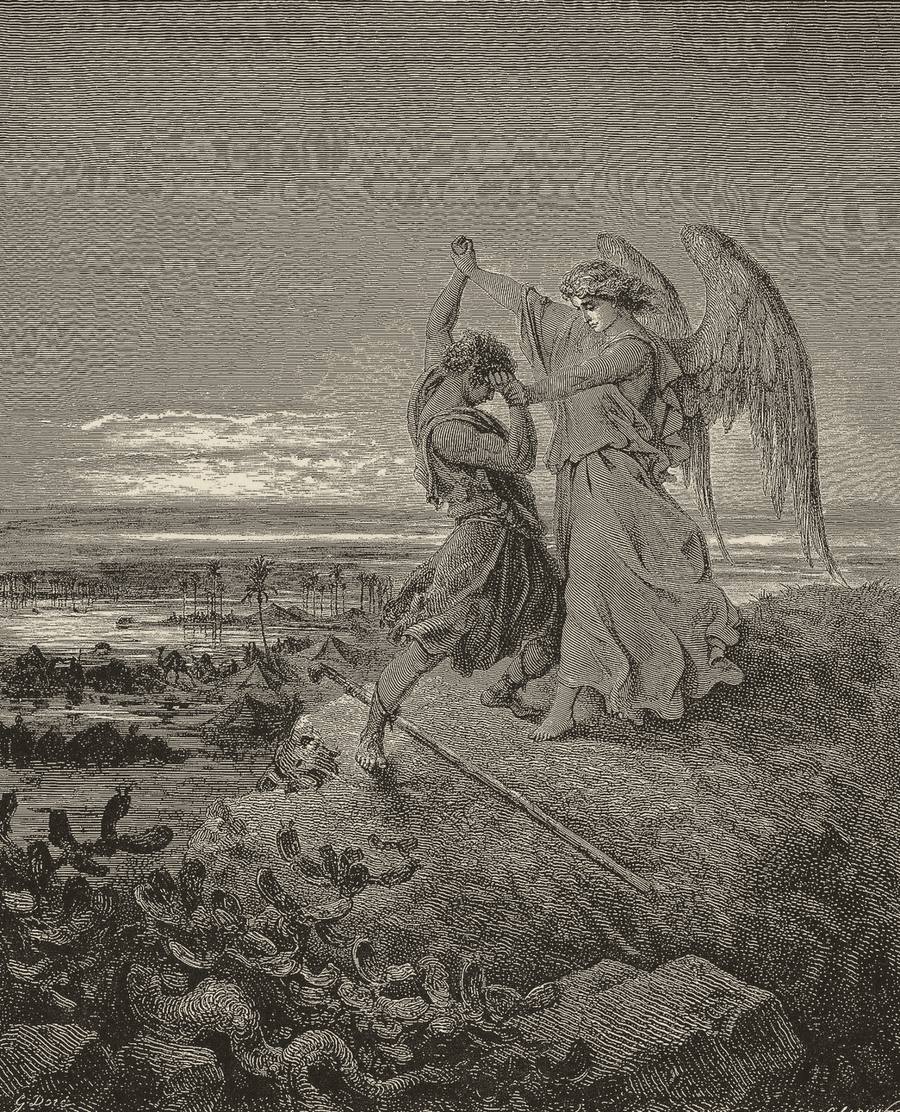
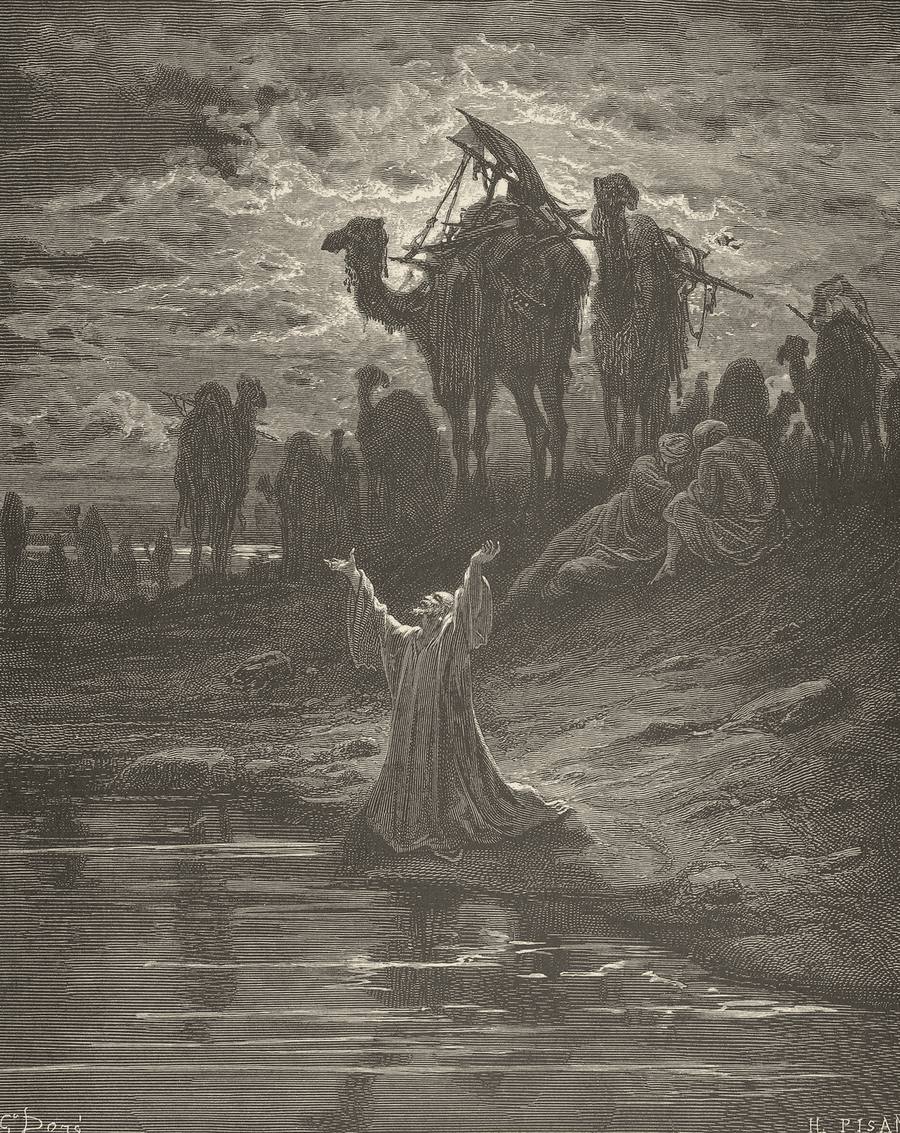
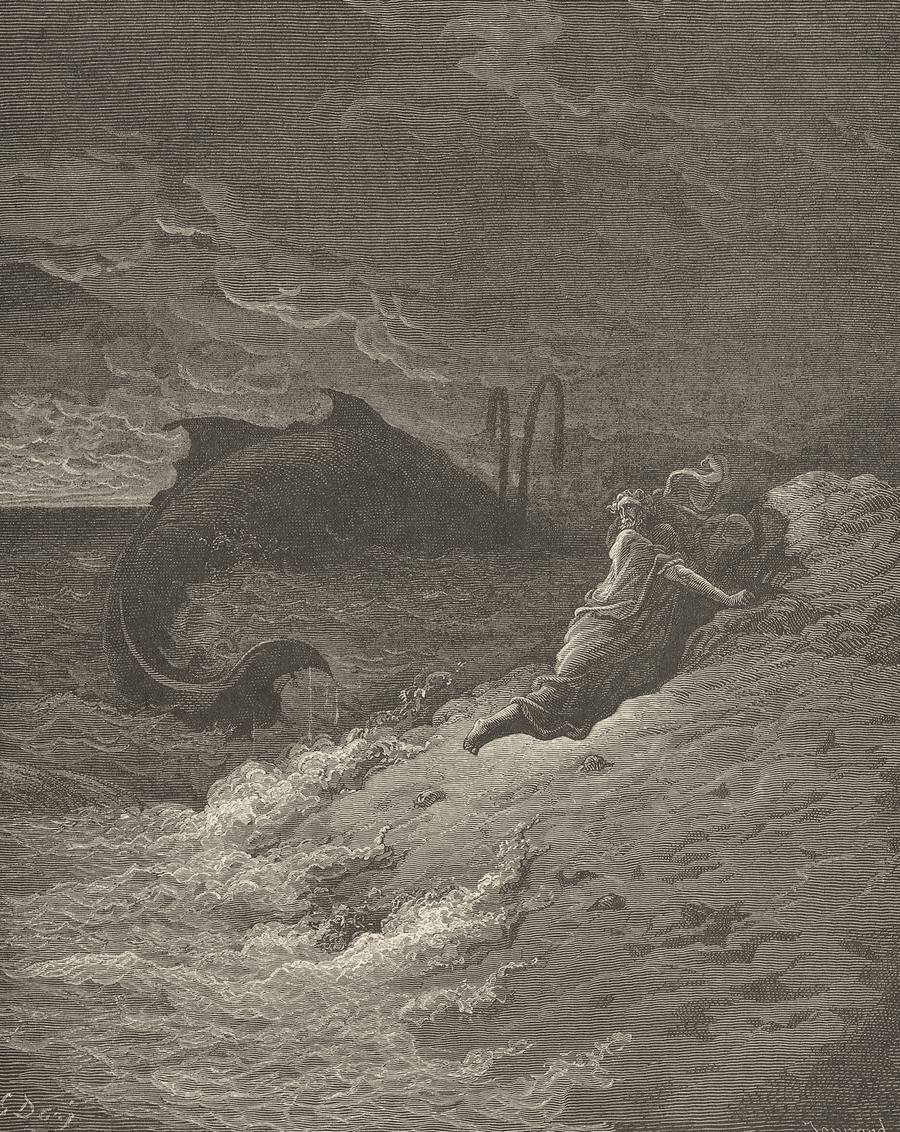
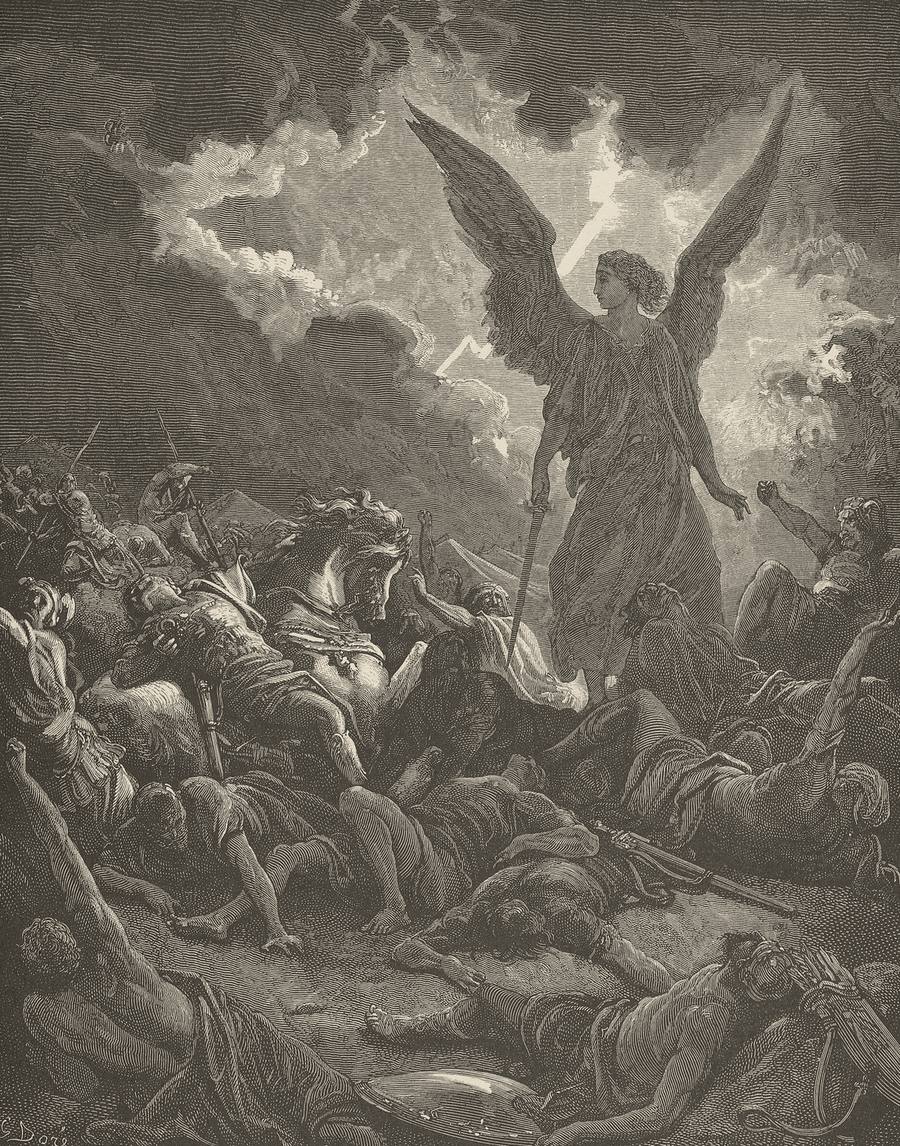
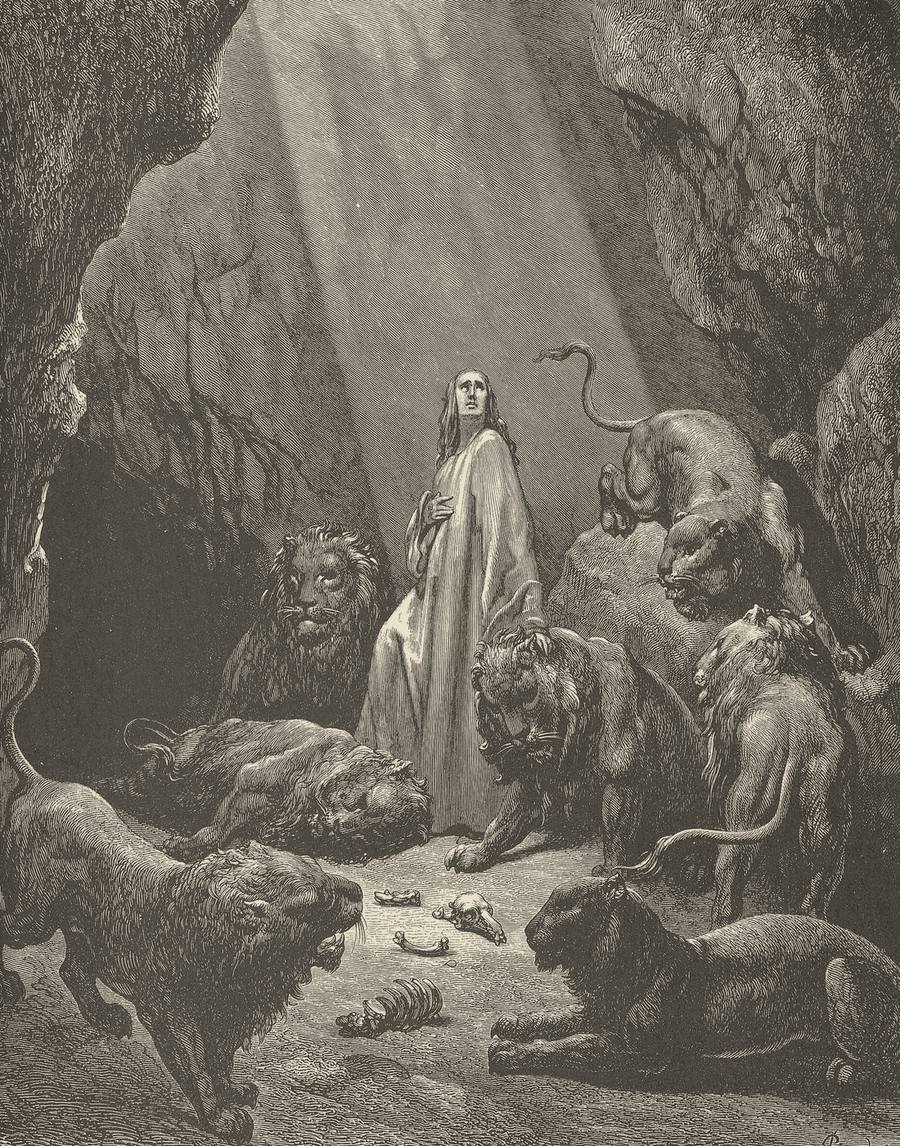
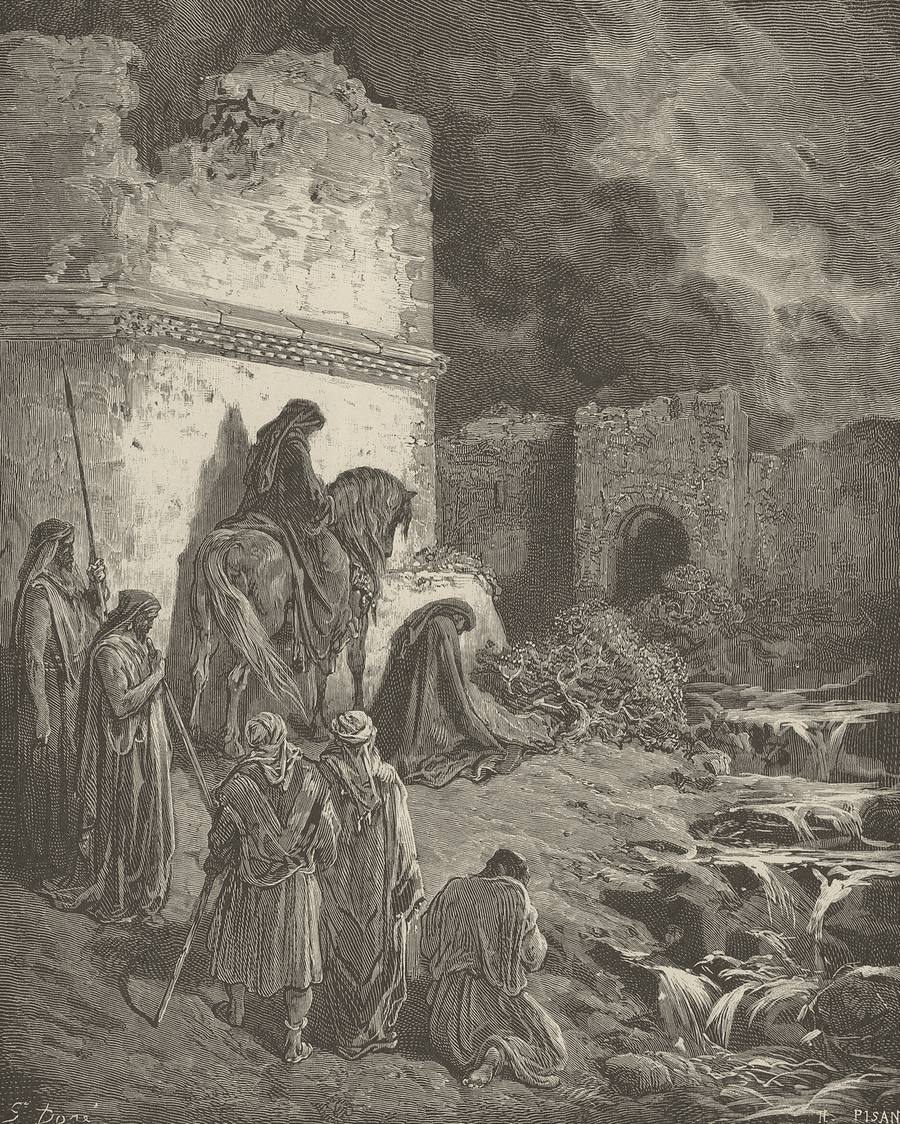
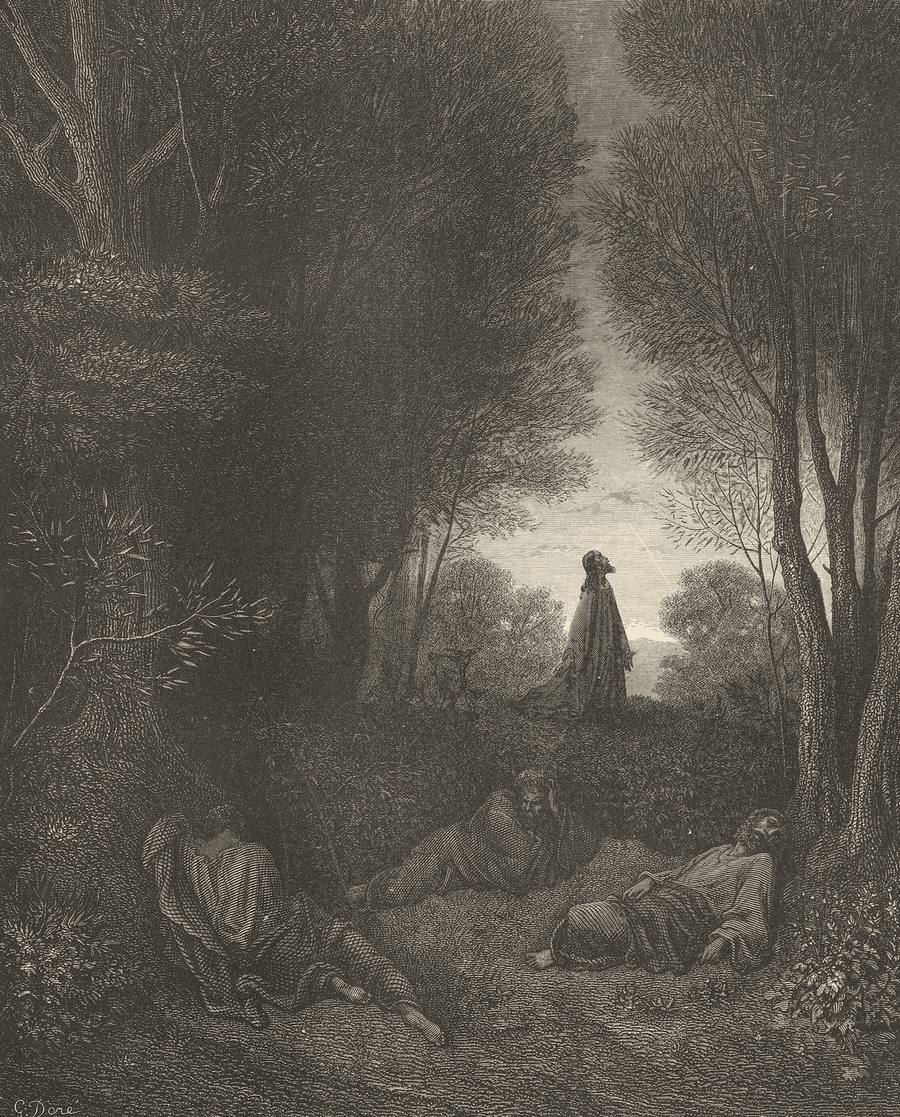
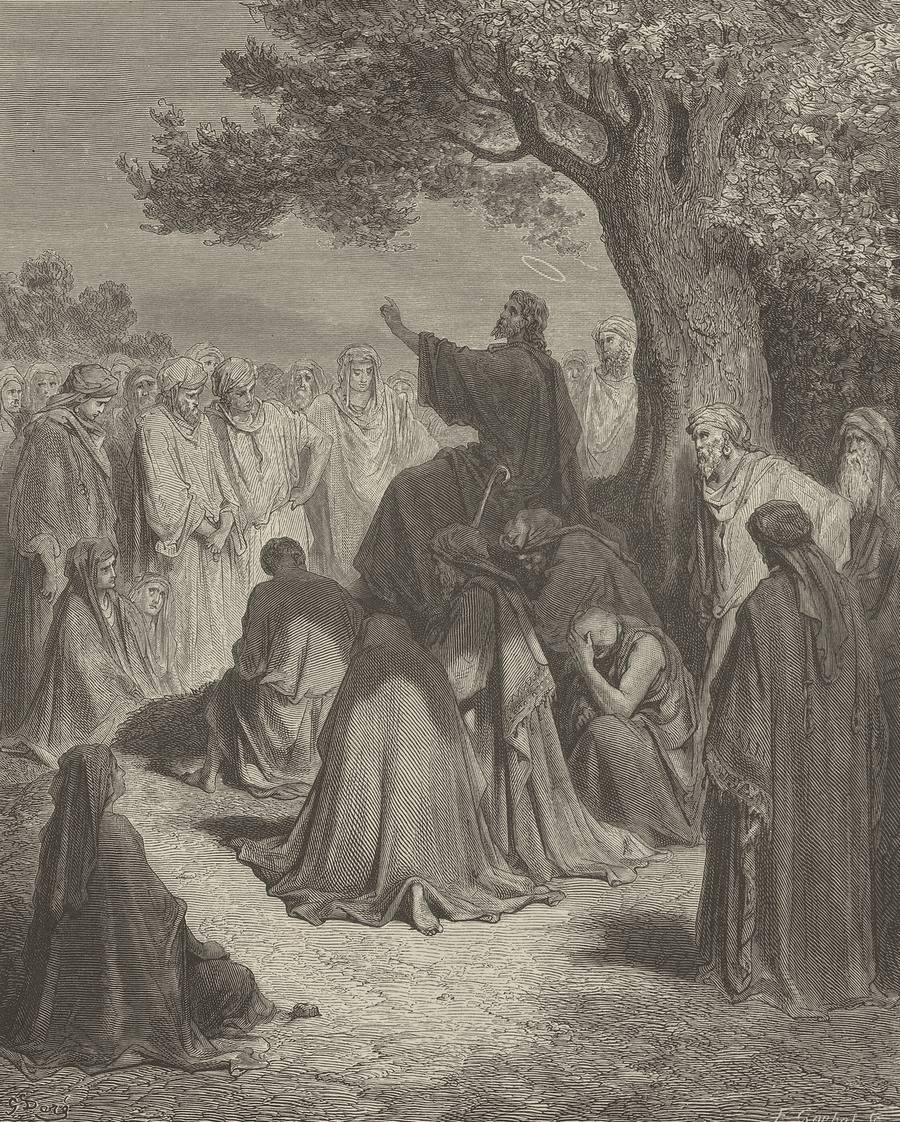
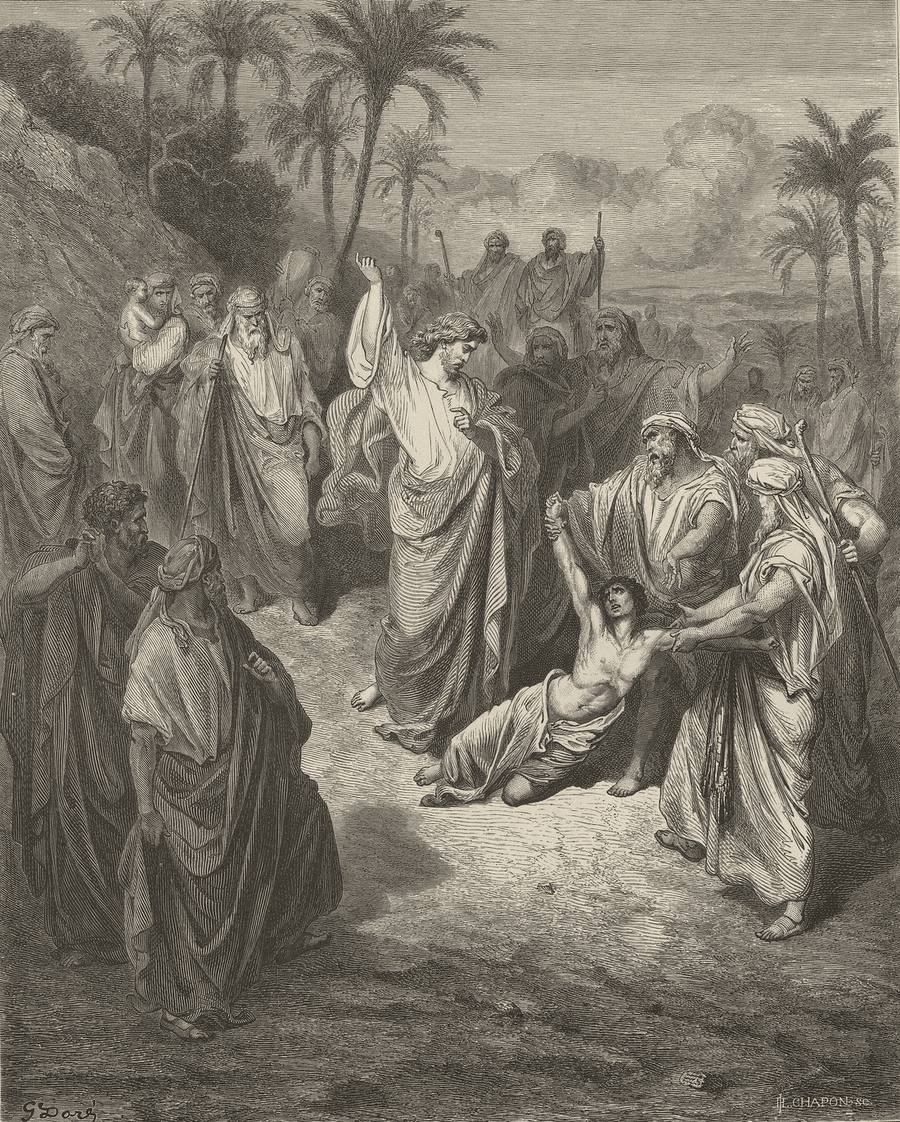
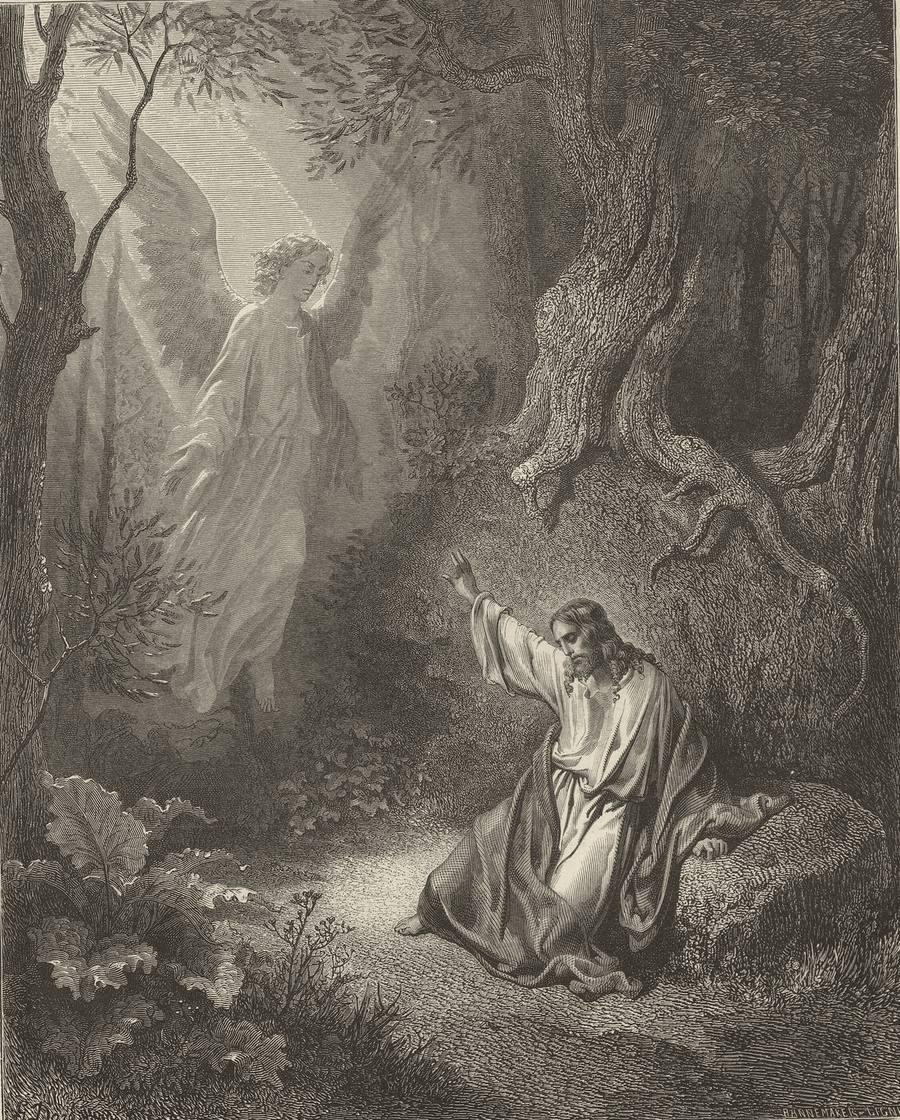
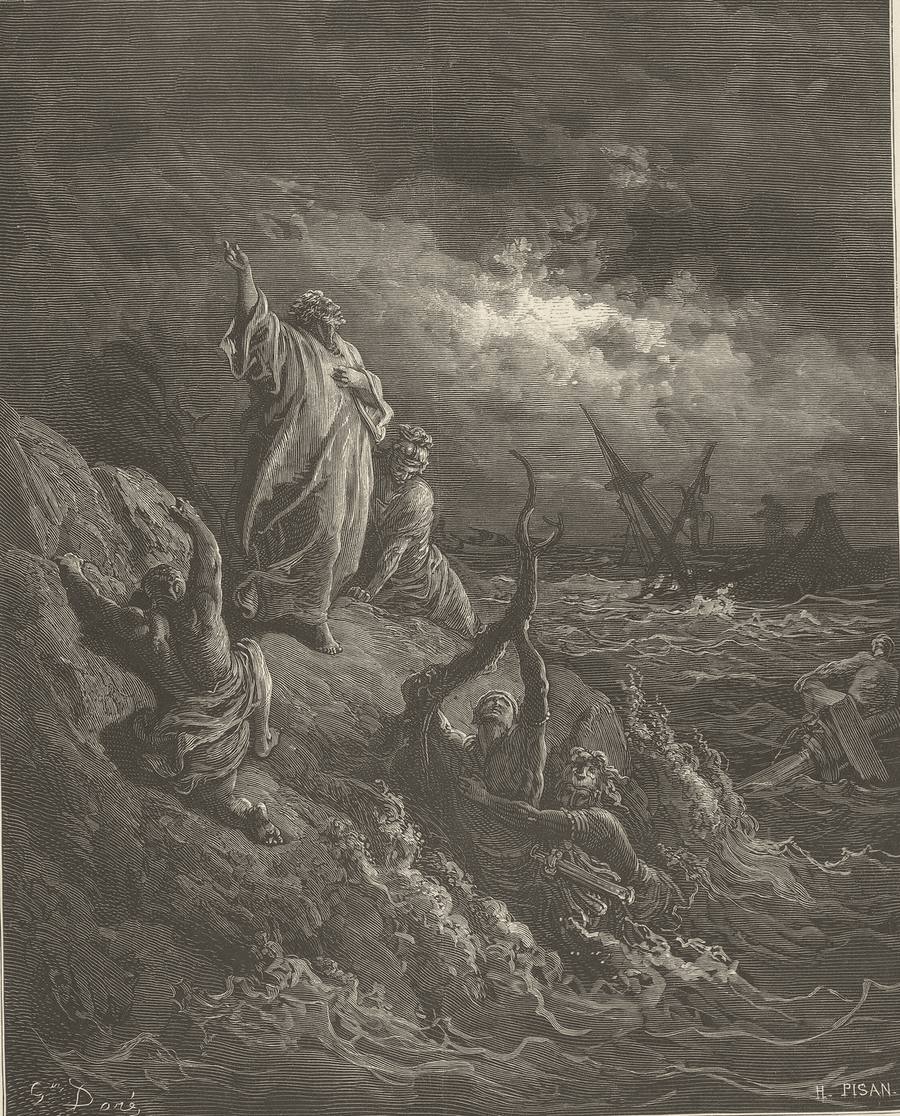
Every verse is quoted word for word from the King James Version. Where scholars and traditions disagree, the book sets out the views fairly and leaves the judgment to you. Each chapter opens with an engraving by Gustave Doré and ends with a simple way to pray that prayer today.
Warm, honest and easy to read, this is a book for anyone who has ever felt that their prayers were too small, too messy or too desperate to count. You are in very good company.
Inside the book
Twelve chapters in three parts
Wrestling in the Dark
Around 1900–850 BC
- 1I Will Not Let Thee GoJacob · Genesis 32
- 2Bitterness of SoulHannah · 1 Samuel 1
- 3It Is EnoughElijah · 1 Kings 19
- 4Our Eyes Are upon TheeJehoshaphat · 2 Chronicles 20
Out of the Depths
Around 780–445 BC
- 5Out of the Belly of HellJonah · Jonah 2
- 6He Turned His Face to the WallHezekiah · 2 Kings 20
- 7As He Did AforetimeDaniel · Daniel 6
- 8So I Prayed to the God of HeavenNehemiah · Nehemiah 1–2
Not As I Will
The first century AD
- 9Lord, Teach Us to PrayThe disciples · Luke 11
- 10Help Thou Mine UnbeliefA father · Mark 9
- 11Not As I WillJesus in Gethsemane · Matthew 26
- 12My Grace Is SufficientPaul · 2 Corinthians 12
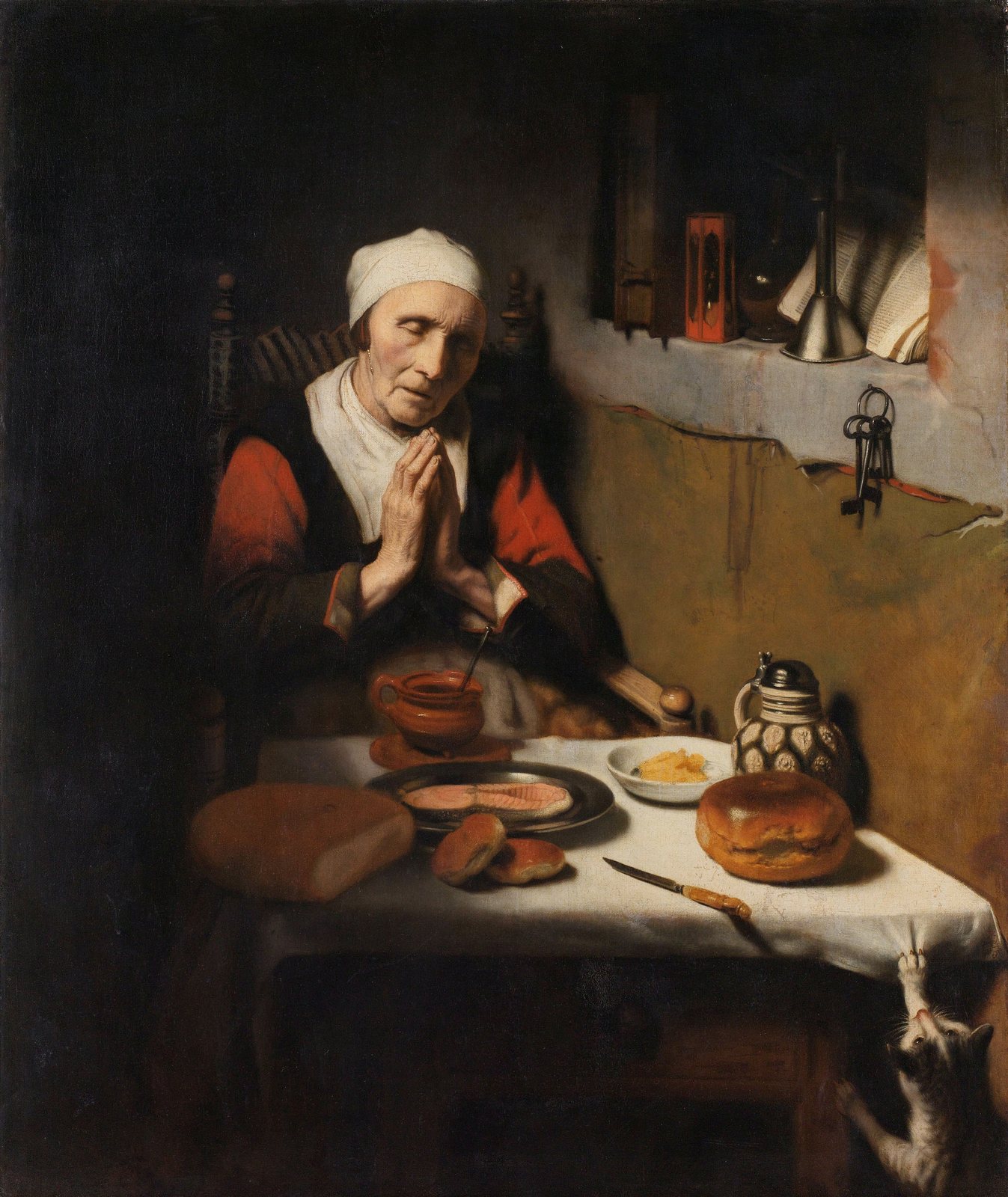
The cover painting
Old Woman Saying Grace, known as ‘The Prayer without End’
Nicolaes Maes, about 1656
Oil on canvas, 134 × 113 cm · Rijksmuseum, Amsterdam, on loan from the City of Amsterdam
An old woman bows her head over a plain meal. Her cat tugs at the tablecloth, hoping for something from the plate, but she goes on praying. No one else is in the room.
Maes painted it in Dordrecht around 1656, a few years after leaving Rembrandt's studio. Like his teacher, he lets a narrow fall of light pick out what matters and leaves the rest in shadow. The painting has long been known as The Prayer without End.
It is a picture of where most prayer happens: not in a temple or a garden, but at a kitchen table, in the middle of an ordinary day.
The art inside
The engravings
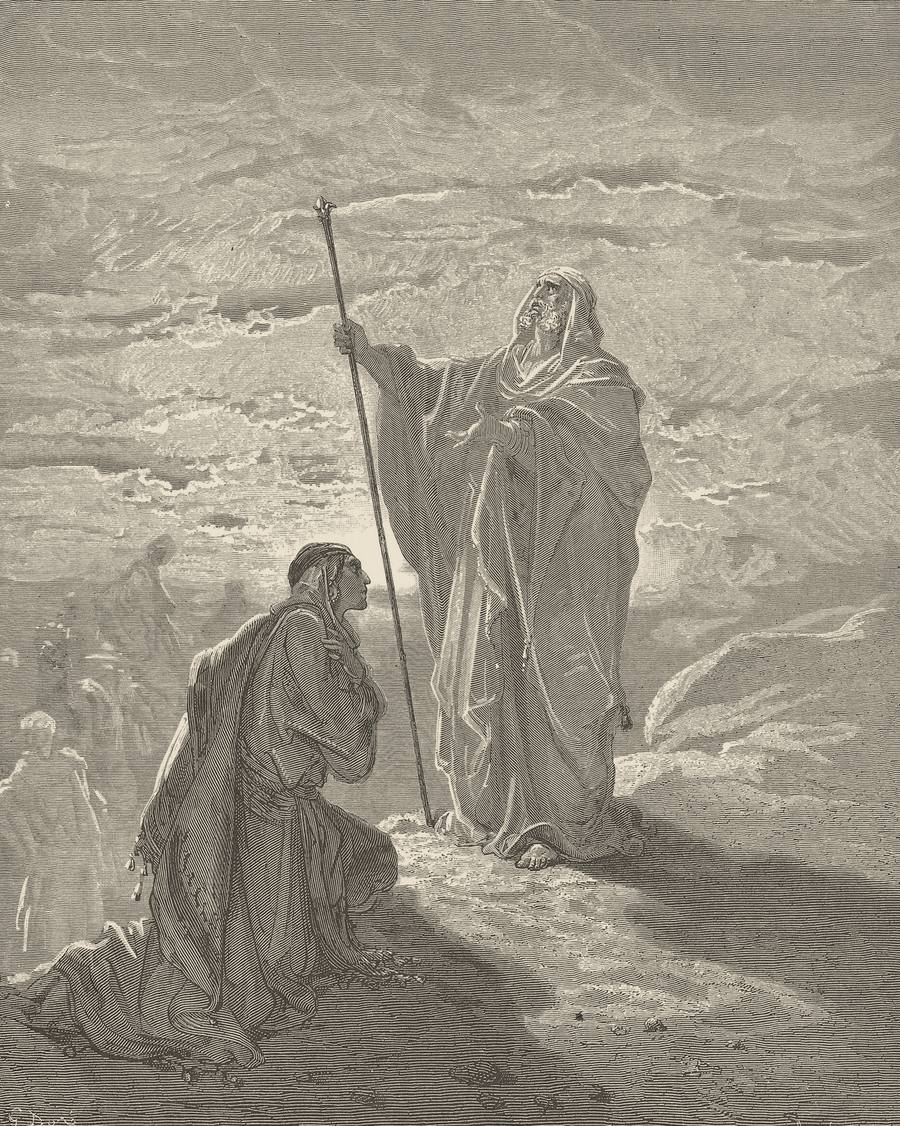
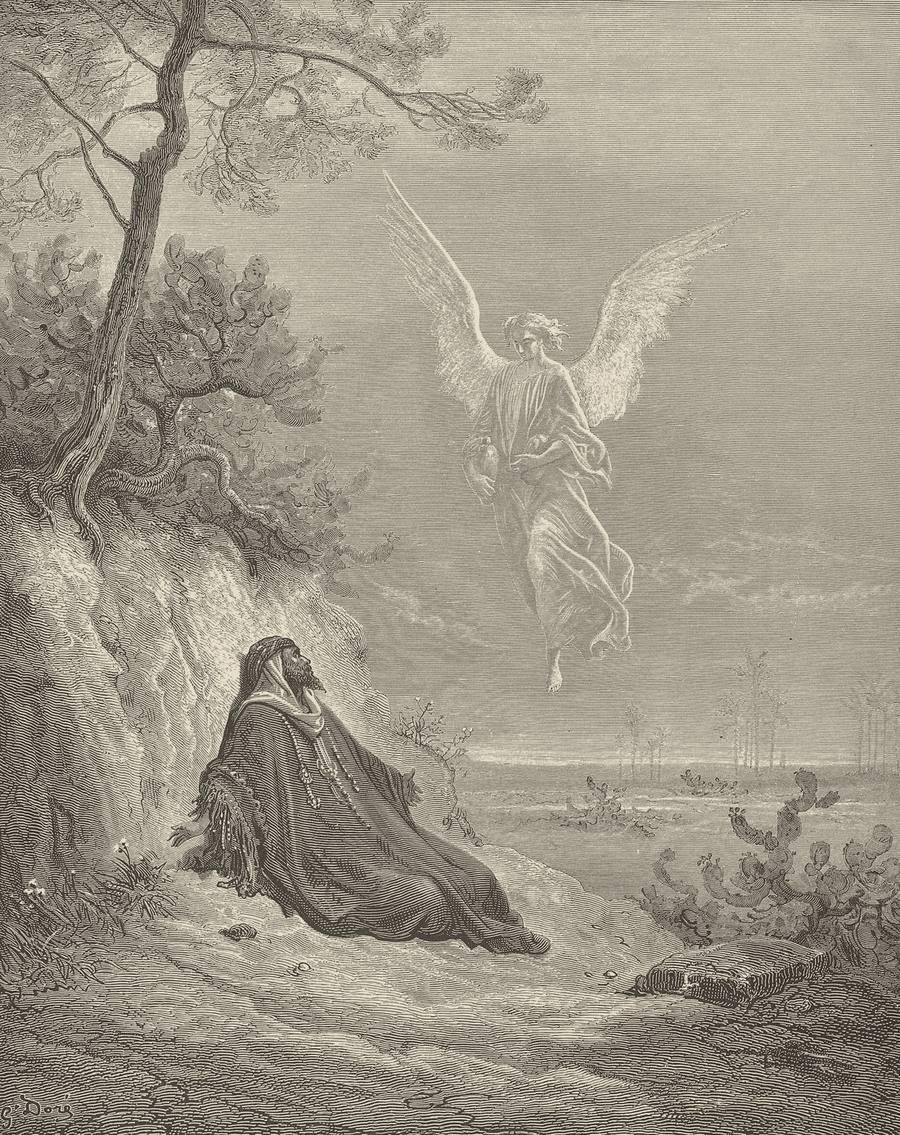
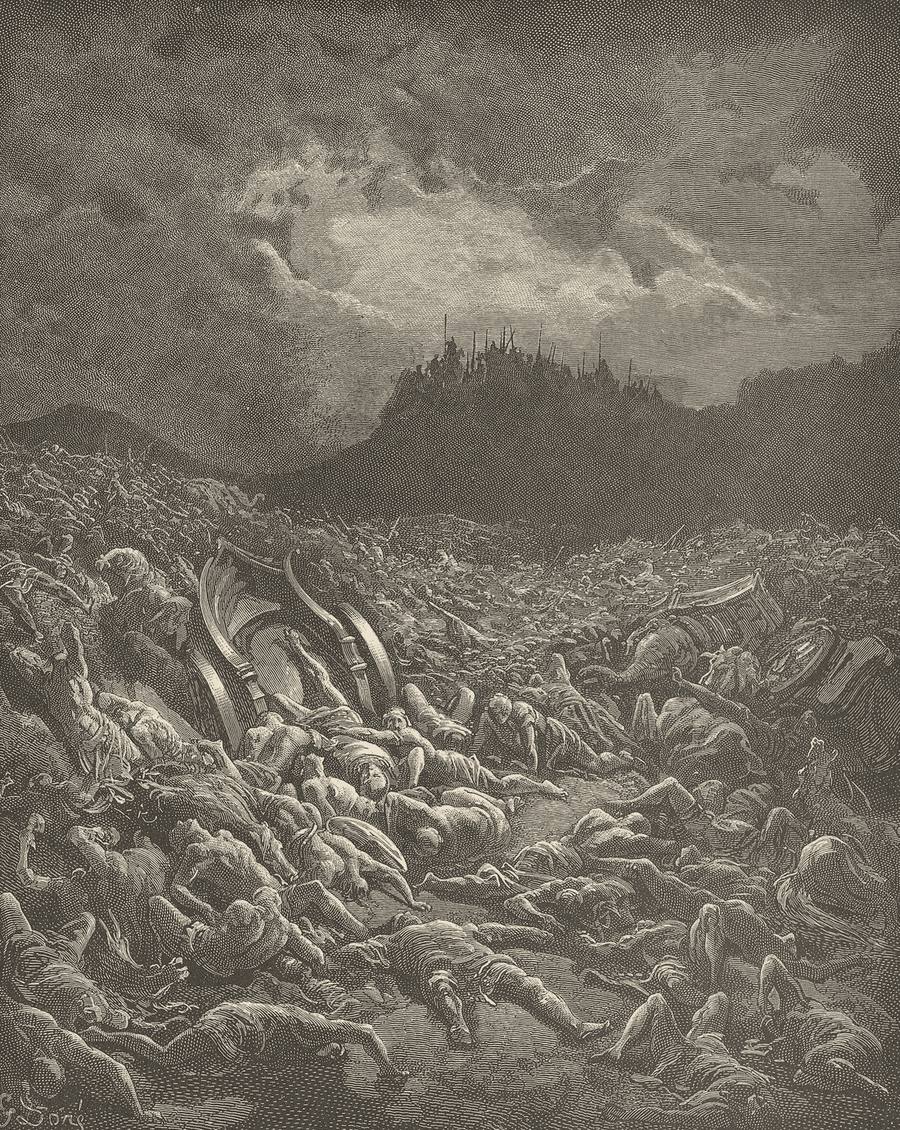
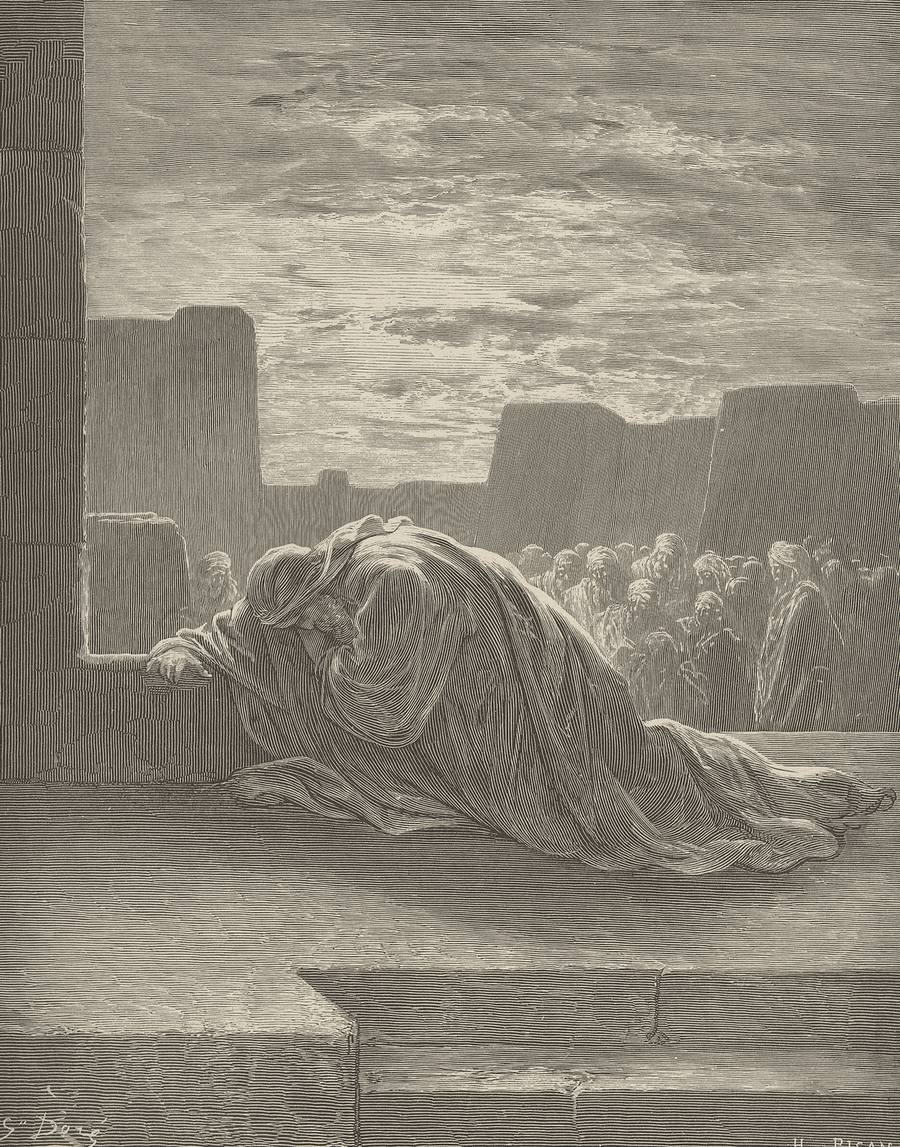
Gustave Doré · Wood engraving · 1866 · Select any picture to see it larger.
Each part and chapter opens with a wood engraving by Gustave Doré from La Grande Bible de Tours, a grand two-volume French Bible published in 1866 by Alfred Mame et Fils of Tours, and at the same time by Cassell in England. Doré designed 241 pictures for it.
Doré drew each scene directly onto a block of wood, and skilled engravers cut his drawing into the block for printing. Look closely and many plates carry two names: Doré's on one side and the engraver's on the other.
The pictures were reprinted across Europe and America for decades. The copies shown here come from two of those printings: the English edition and a Polish Bible of 1874. Doré made no plate of Hannah's prayer or of Hezekiah's sickness, so Chapters 2 and 6 show related scenes, and their captions say exactly what they show.
About the artists
The hands behind the pictures
The engravings
Gustave Doré
1832–1883 · French illustrator, painter and sculptor
Gustave Doré was born in Strasbourg and was drawing for a Paris comic paper by the age of fifteen. He went on to become the most sought-after illustrator of his century, with pictures for Dante's Inferno (1861), Don Quixote (1863), the Bible (1866) and Milton's Paradise Lost (1866), among many others.
He also painted and sculpted, and a gallery in London was given over entirely to his work. He died in Paris in 1883, at fifty-one. For generations afterwards, his Bible pictures shaped how readers imagined its people and places.
The cover
Nicolaes Maes
1634–1693 · Dutch painter
Nicolaes Maes was born in Dordrecht, the son of a prosperous merchant. Around 1648 he went to Amsterdam to train in Rembrandt's studio, and stayed about five years. Rembrandt's own painting of Jeremiah is on the cover of Genesis of Verses.
Back in Dordrecht in the 1650s, Maes painted quiet scenes of home life: women spinning, minding a cradle, saying grace. Later he turned to portraits, which brought him fashionable success, and he spent his last decades in Amsterdam, where he died in 1693.
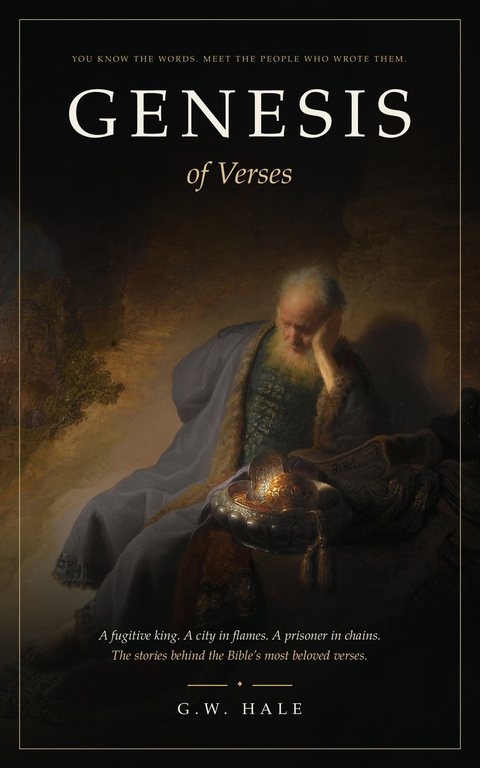
Image sources
Cover painting: Nicolaes Maes, Old Woman Saying Grace, known as ‘The Prayer without End’, about 1656. Rijksmuseum, Amsterdam, on loan from the City of Amsterdam. Public domain.
Engravings: Gustave Doré, La Grande Bible de Tours, 1866. Copies from Wikimedia Commons and the National Library of Poland (Polona). Public domain.